
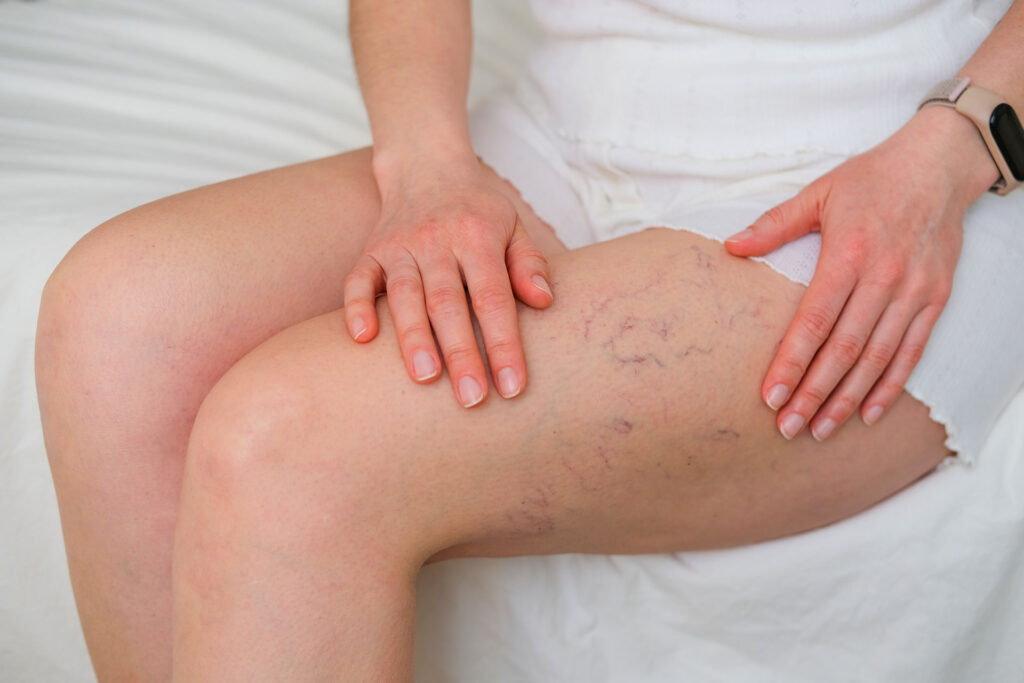
Visible veins on your legs can be a minor cosmetic concern, but when those veins start affecting your daily life—how you feel, sleep, or move—that’s a sign it’s time to take the condition more seriously. Varicose vein symptoms tend to develop gradually, which is why many people ignore them until the problem has worsened.
Why Do My Legs Feel So Heavy in the Afternoon?
If your legs feel light and normal in the morning but become unbearably heavy by mid-afternoon, you’re not alone. This is one of the most common early signs of varicose vein disease, and it has a clear cause.
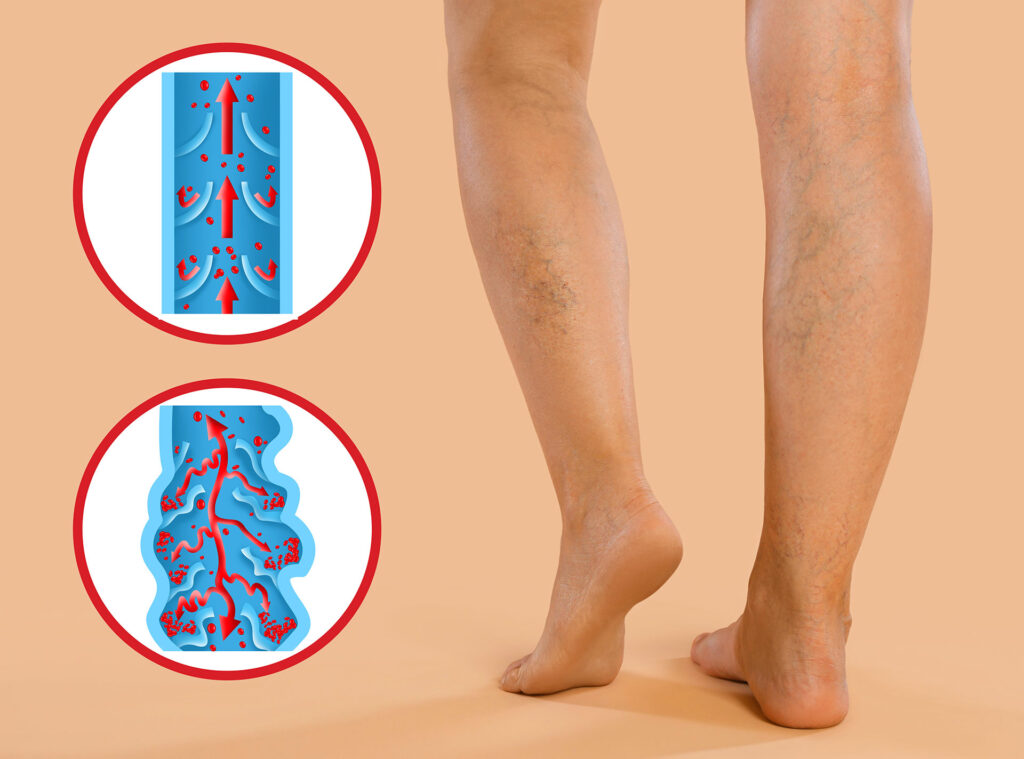
Weakened vein valves, the tiny one-way flaps that normally push blood back up toward the heart, stop working effectively. As a result, blood pools in the lower legs, leading to that dragging heaviness. It’s the feeling that makes you want to elevate your legs the moment you get a chance.
The issue worsens with prolonged standing or sitting for extended periods, such as at a desk. Movement may bring temporary relief, but by late afternoon, the heaviness tends to persist for longer periods.
If this sounds familiar, it’s a good idea to have your veins evaluated. Early intervention can help prevent the condition from worsening further.
Understanding Swollen Ankles: A Common Concern
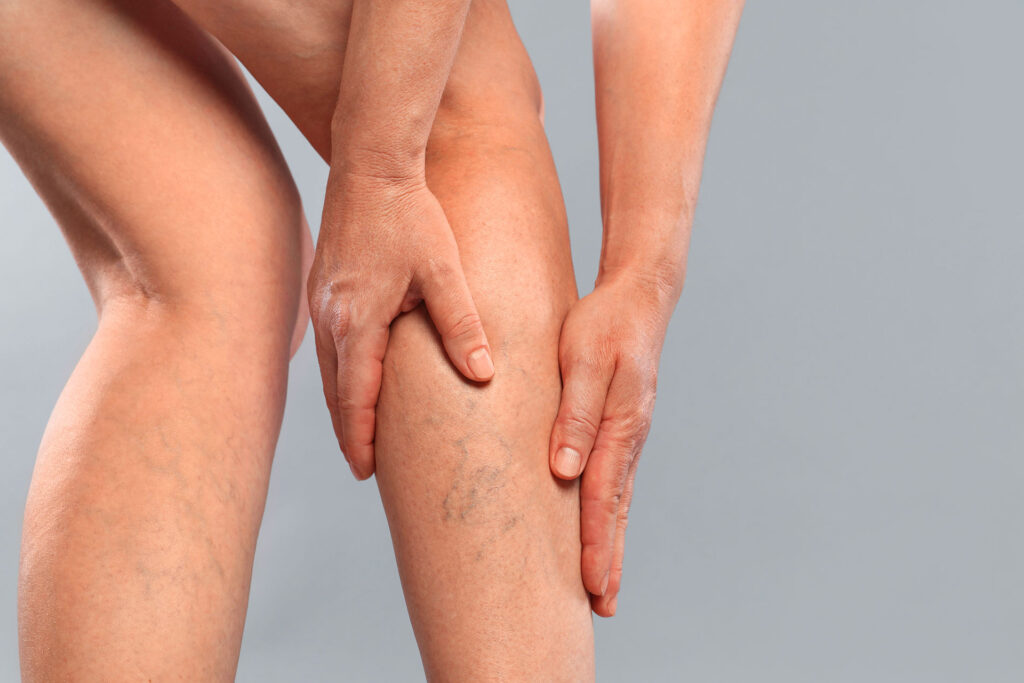
It’s normal to experience some ankle swelling after a long day, but if your lower legs remain consistently swollen in the evenings and the puffiness doesn’t fully subside even after elevating your feet, it’s important to pay attention to these patterns.
When vein valves fail, fluid isn’t properly returned to circulation and leaks into the surrounding tissue. This causes fluid buildup, which tends to accumulate around the ankles and lower calves.
Signs That Your Swelling May Be Related to Vein Problems
- Swelling that starts at the ankles and moves upward toward the knee
- Puffiness that gets worse as the day progresses
- One leg swelling more than the other without any obvious cause
Press your thumb firmly into the swollen area and hold it for a few seconds. If the skin remains indented after you release it, this is called “pitting edema,” a sign of fluid accumulation in the tissue. This isn’t normal and can weaken the skin over time, making vein treatment more complex. Addressing this early can make a significant difference in treatment effectiveness.
Changes in Skin Texture and Color: A Key Warning Sign
One of the most overlooked symptoms of varicose veins is skin changes on the lower legs, yet it’s crucial to recognize them early.
When circulation in the lower legs fails, the skin is the first to show signs of trouble. Brownish or rust-colored patches may develop around the ankles, and the skin can become thin, shiny, or translucent. Itchy, dry, or crusty patches may form that don’t improve with regular moisturizers.
What to Watch For:
- Skin hardening or tightening around the ankle
- Discoloration spreading from the foot upward
- Patches that feel warm or tender to the touch
These changes occur because the skin is not receiving enough oxygen and nutrients due to poor circulation. If left untreated, these symptoms can worsen and lead to venous ulcers—painful, slow-healing open sores that are prone to infection. Early treatment of the underlying vein problem is key to preventing these complications.
Understanding Nighttime Leg Pain: A Common Concern
Varicose vein pain doesn’t always match the typical description people expect. In addition to the dull aching, some individuals experience a burning sensation along the vein or a flare-up of pain during physical activity. Others find themselves waking up in the middle of the night with severe calf cramps that require several minutes of stretching to relieve.
This discomfort is caused by inflammation and pressure building up inside veins that are no longer functioning properly. As the veins fail, they irritate the surrounding nerves and muscle tissue, resulting in these painful sensations.
Nighttime leg cramps related to varicose veins are often mistakenly attributed to dehydration or overexertion. If these cramps occur frequently and are accompanied by other vein-related symptoms, it’s important to investigate the potential connection to vein health.
Why Can’t I Keep My Legs Still at Night?
Restless Leg Syndrome (RLS) is more often connected to venous insufficiency than many people realize. If you experience an uncontrollable urge to move your legs at night, accompanied by a crawling or twitching sensation, poor circulation may be the underlying cause.
Compromised blood flow irritates nerve endings in the lower legs, leading to the persistent need to shift and move your legs. This condition disrupts sleep, drains energy, and makes even simple tasks feel exhausting. Addressing the underlying vein problem can often bring significant relief and help restore restful sleep.
What Happens If You Wait?
Varicose vein symptoms don’t typically remain static; they tend to worsen over time. What starts as occasional leg heaviness can evolve into persistent pain. Mild swelling can develop into chronic edema, and skin changes may progress to open sores that are slow to heal.
The sooner vein disease is addressed, the simpler and more effective the treatment. Patients who seek care early often have access to quick, minimally invasive treatments with same-day recovery. However, delaying treatment can lead to more advanced vein disease, requiring longer and more complex treatment plans.
Your legs are signaling something. Addressing the issue now is always better than waiting until the symptoms become unmanageable. Early intervention leads to better outcomes and easier recovery.
Frequently Asked Questions About Varicose Vein Symptoms
Why do my legs feel heavy in the afternoon but fine in the morning?
In the morning, after lying flat overnight, blood flow is more evenly distributed. However, as the day progresses, weakened vein valves struggle to move blood back toward the heart, causing it to pool in the lower legs. This results in the characteristic heaviness by the afternoon, a common sign of venous insufficiency.
Can restless legs at night be related to varicose veins?
Yes, surprisingly, it is more common than many realize. Poor circulation due to varicose veins can irritate nerves in the legs, leading to the uncomfortable, crawling sensation known as restless legs. Treating the underlying venous issue can significantly improve these symptoms and enhance sleep quality.
At what point do varicose vein symptoms become an emergency?
If you experience sudden, severe swelling in one leg, spontaneous bleeding from a vein, or skin changes like open sores, it’s crucial to seek immediate medical attention. These signs indicate that the condition has progressed to a more serious stage and requires prompt treatment.
How are varicose vein symptoms diagnosed?
The primary diagnostic tool for varicose veins is a duplex ultrasound. This non-invasive, painless procedure provides a detailed view of blood flow and vein function, helping your vein specialist assess the severity of the condition and tailor the appropriate treatment plan for you.