
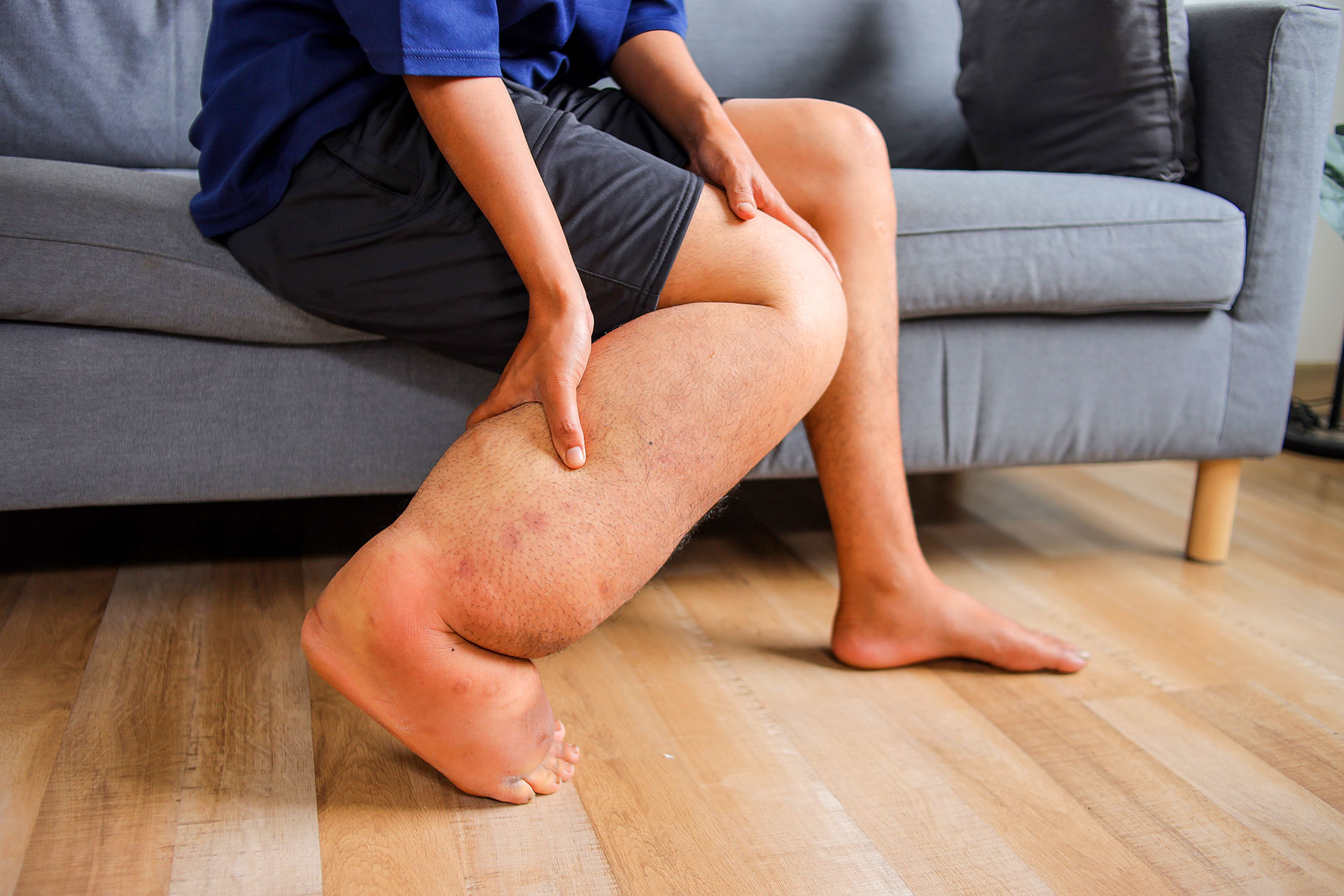
Leg swelling, also known as peripheral edema, is a condition that often signals an underlying health issue. It can be caused by various factors, which can result in fluid buildup and discomfort in the legs. Let’s explore some of the most common reasons for this condition:
Impaired Blood Flow and Clotting Issues
One of the key contributors to leg swelling is impaired blood flow. Conditions such as venous insufficiency occur when the veins fail to return blood effectively to the heart, causing blood to pool in the legs. Additionally, blood clots can obstruct circulation, leading to painful swelling and even life-threatening complications. Seeking medical advice is important, especially if the swelling persists.
Deep Vein Thrombosis (DVT) and Its Risks
DVT is a serious condition where a blood clot forms in the deep veins, usually in the legs. The clot can travel to the lungs, leading to a pulmonary embolism, which can be fatal. Common symptoms of DVT include severe swelling, pain, and warmth in the affected leg. Immediate medical intervention is crucial to prevent further complications.
Varicose Veins and the Resulting Discomfort
Varicose veins are enlarged veins that become twisted and visible through the skin, often causing discomfort and swelling, especially after long periods of standing. This condition is caused by malfunctioning valves within the veins that result in blood pooling. It’s important to manage varicose veins early through conservative treatments like compression therapy, leg elevation, and physical activity to reduce swelling and prevent further complications.
The Effect of High Blood Pressure on Leg Swelling
High blood pressure, or hypertension, can put additional strain on blood vessels, leading to fluid retention and swelling in the legs. Managing high blood pressure through medication, exercise, and diet can help mitigate its effects and reduce swelling in the lower extremities. Proper treatment is essential for preventing further vascular complications.
Leg swelling and heaviness can present with a variety of symptoms and may indicate underlying health risks that need attention. Swollen legs are often caused by fluid retention, which could stem from issues with the veins or blood vessels.
Swollen ankles, for example, may be linked to conditions such as high blood pressure or heart failure. Persistent leg pain, especially in the lower legs, can also be a concern, and chest pain should always be treated as an urgent matter.
Certain factors like prolonged immobility, medical conditions such as rheumatoid arthritis, or the use of hormone therapy can increase the likelihood of developing leg swelling.
Long-term swelling can lead to complications like skin infections, difficulty walking, and an increased risk of blood clots. Conditions like congestive heart failure can also contribute to persistent swelling and discomfort.
In addition to these, factors such as prolonged sitting or standing, wearing tight clothing, or taking certain medications may exacerbate swelling. It’s important to stay aware of these signs, particularly if swelling is confined to one leg or discomfort continues over time. Early intervention and medical advice are essential to prevent further complications.
Consulting a healthcare professional, including undergoing an ultrasound examination, is essential to identifying the root cause of leg swelling. If necessary, a doctor may prescribe diuretics to eliminate excess fluid from the body, while calcium channel blockers may be used to help manage blood pressure.
It’s crucial to seek medical attention if you notice unusual symptoms in your legs, feet, or ankles. Regular check-ups play a vital role in monitoring your condition and preventing potential complications, especially if you have pre-existing medical conditions or a history of injuries.
Wearing compression stockings can also support improved circulation and help alleviate swelling.
Adopting a healthy lifestyle is key to preventing leg heaviness and improving overall vascular health. Simple daily habits that can make a big difference include:
Elevating your legs while resting can also reduce fluid buildup and help alleviate swelling. Wearing comfortable shoes and avoiding tight clothing supports better blood flow. Additionally, staying hydrated helps maintain healthy circulation and reduces discomfort.
Regular check-ups, especially for older adults, are essential to detect potential issues early. By incorporating these habits into your daily routine, you can promote healthier legs and significantly reduce the risk of experiencing leg heaviness.
Understanding the underlying causes and symptoms of leg swelling enables individuals to seek timely medical care and make necessary lifestyle changes. Consulting healthcare professionals ensures that a personalized treatment plan is developed to address specific conditions, leading to better management and prevention of complications. Regular check-ups and proper medical guidance are key to maintaining vascular health.