
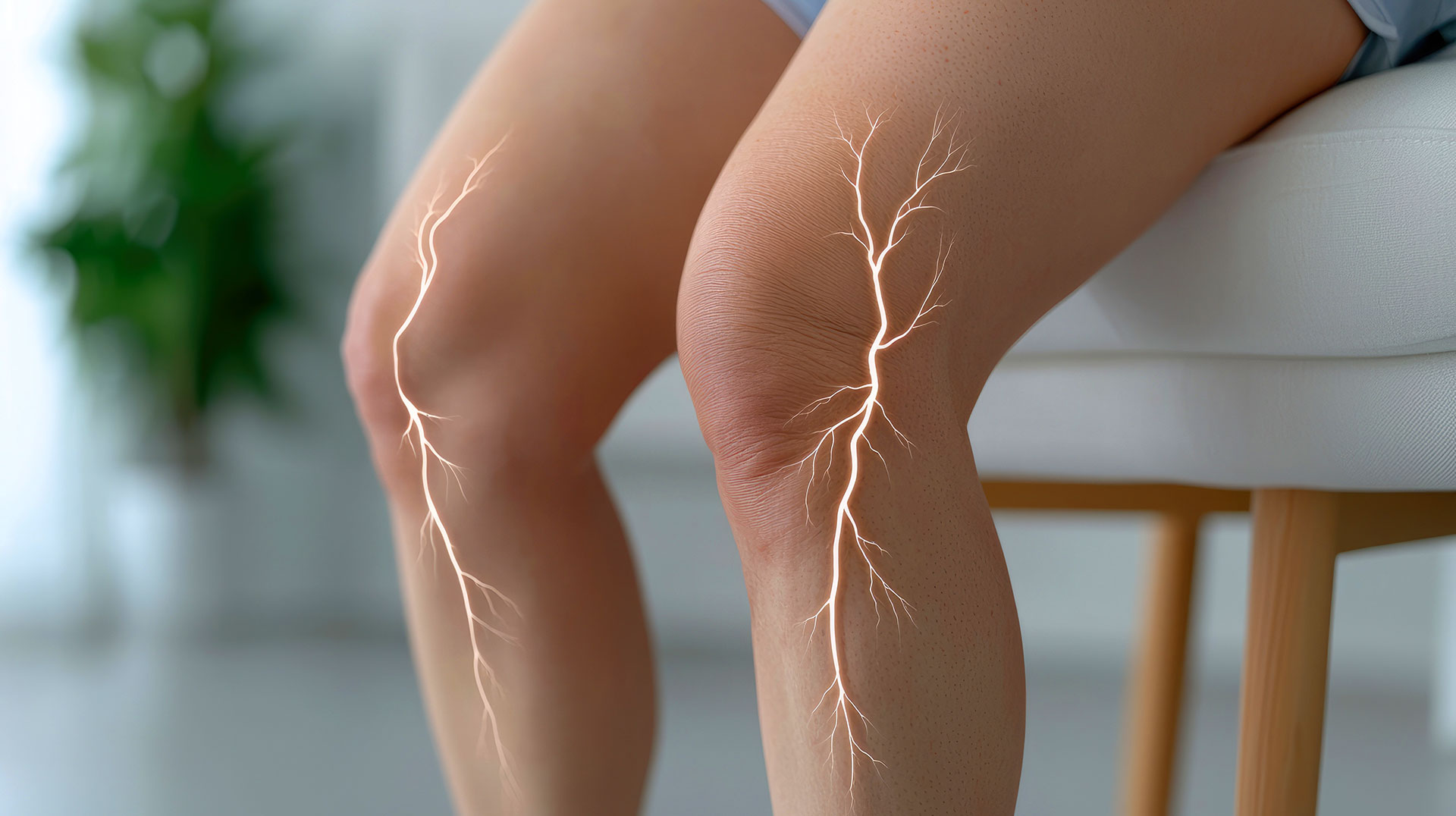
What Are Heavy Legs?
Heavy legs refer to an uncomfortable feeling where the legs feel excessively tired or weighed down, making it harder to move around. This sensation is often linked to poor blood circulation or underlying vein-related issues.
Common Symptoms of Heavy Legs
The sensation of heavy legs is typically marked by a persistent, tired feeling that can make it difficult to move freely. Common symptoms include:
If these symptoms persist, it’s crucial to consult a doctor, as they may indicate circulation problems or venous conditions that require attention.
Experiencing heavy legs may be a sign that blood is not circulating efficiently through your veins and arteries. Several factors can contribute to this feeling:
If you frequently experience heavy legs, it’s essential to consult a healthcare provider to identify the cause and find the most effective solution to improve your circulation and overall health.
Lifestyle factors like a sedentary lifestyle, smoking, and prolonged inactivity can significantly increase the risk of developing heavy legs. These habits can contribute to poor circulation and other vein-related issues.
The accumulation of fatty deposits and plaque in the arteries, especially those with one-way valves, can cause discomfort and exacerbate the sensation of heaviness in the legs.
Additionally, conditions such as cardiovascular disease, chronic venous insufficiency, and restless legs syndrome can contribute to the feeling of heavy legs.
If these factors are not properly managed, they may lead to more serious complications affecting the circulatory system. Proper care and lifestyle adjustments are essential to prevent further health issues.
If you frequently experience heavy legs, your doctor can help create a personalized care plan to relieve discomfort and improve the feeling in your legs. A phlebologist or vascular specialist will perform a comprehensive evaluation and may suggest additional tests to identify the root cause of circulation problems.
In some cases, more advanced treatments, including medications or medical procedures, may be required to improve blood flow. It’s essential to share your symptoms and concerns with a qualified vein specialist so that together, you can develop the most effective treatment plan tailored to your specific needs.
Addressing the causes of heavy legs involves a combination of lifestyle adjustments, medical guidance, and targeted treatments. By enhancing circulation, adopting healthy habits, and consulting with experts, individuals can find relief and improve their overall well-being. It’s vital to seek advice from healthcare professionals to determine the most suitable approach based on your personal condition and requirements.