
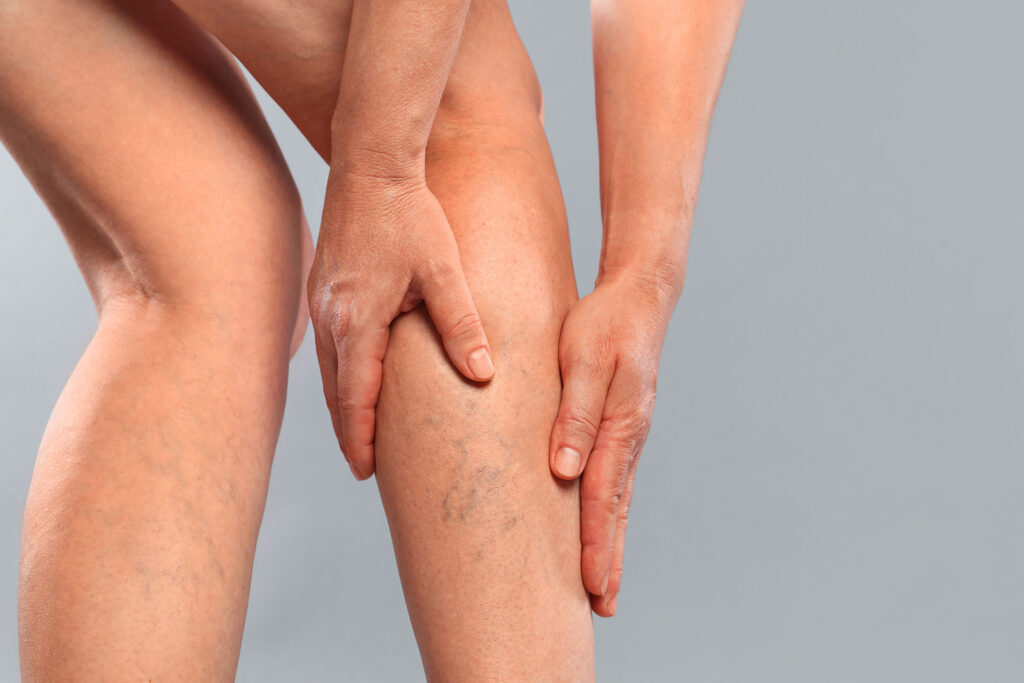
If you’ve noticed those twisted, bulging blue or purple veins on your legs, you’re probably wondering one important question: do varicose veins hurt? The short answer is yes, they often do, but the experience varies dramatically from person to person. Some people live with varicose veins for years without significant discomfort, while others struggle daily with throbbing, aching, and heaviness that disrupts their quality of life.
Do Varicose Veins Hurt? Understanding the Pain
Yes, varicose veins can absolutely cause pain and discomfort, though not everyone with varicose veins experiences symptoms. According to vascular health studies, approximately 50% of people with visible varicose veins report some form of pain or discomfort, while others may only deal with cosmetic concerns.
The pain typically stems from the underlying issue: damaged or weakened valves within the veins that prevent blood from flowing properly back to the heart. This condition, known as chronic venous insufficiency, causes blood to pool in the legs, leading to swelling, pressure, and pain.
What Does Varicose Vein Pain Feel Like?
Varicose vein pain manifests in several distinct ways, and recognizing these symptoms can help you determine whether you need medical attention. The discomfort often varies throughout the day and can be influenced by activity, posture, and even weather conditions.
Common Pain Symptoms Include:
- Aching or heaviness in the legs, especially after standing for long periods
- Throbbing or pulsating sensations around the affected veins
- Burning or itching on the skin over the veins
- Muscle cramps, particularly at night
- Restless leg syndrome or an uncontrollable urge to move the legs
- Swelling in the ankles and lower legs
- Tenderness or soreness along the vein
- Fatigue in the legs after minimal activity
Many patients describe the sensation as a deep, dull ache that worsens as the day progresses. Others report sharp pains that come and go unpredictably, especially after extended periods of inactivity.
Why Do Varicose Veins Cause Pain?
The pain associated with varicose veins has clear physiological causes. When vein valves fail, blood pools in the lower extremities, creating increased pressure within the veins. This pressure stretches the vein walls and surrounding tissues, triggering pain signals.
Primary Causes of Varicose Vein Pain:
- Venous hypertension: Increased pressure from pooled blood stretches vein walls
- Inflammation: The body’s response to damaged tissue produces inflammatory chemicals that activate pain receptors
- Nerve irritation: Enlarged veins can press against nearby nerves
- Reduced circulation: Poor blood flow deprives tissues of oxygen and nutrients
- Skin changes: Long-term venous issues can cause skin thinning and ulceration
When Does Varicose Vein Pain Get Worse?
Understanding the triggers that intensify varicose vein pain can help you manage symptoms more effectively. Most people notice their discomfort fluctuates based on specific activities and circumstances.
Pain-Aggravating Factors:
- Prolonged standing
- Extended sitting
- Crossing legs frequently
- High-impact exercise
- Hormonal changes (pregnancy, menstruation)
- Weight gain
- Hot weather
- Tight clothing
When Should You Worry About Varicose Vein Pain?
While most varicose vein pain is manageable, certain symptoms indicate a more serious problem requiring immediate medical attention. Ignoring these warning signs can lead to dangerous complications including blood clots, ulcers, and chronic skin damage.
Red Flag Symptoms:
- Sudden, severe pain in the leg
- Swelling that doesn’t subside with elevation
- Skin discoloration turning brown or red
- Open sores or ulcers near the ankle
- Bleeding from the varicose vein
- Hardness or warmth along the vein (possible thrombophlebitis)
- Shortness of breath combined with leg pain (possible blood clot)
How to Relieve Varicose Vein Pain at Home
Before pursuing medical treatment, many people find significant relief through simple lifestyle modifications and home remedies. These strategies work by improving circulation and reducing pressure in the affected veins.
Effective Self-Care Strategies:
- Elevate your legs above heart level for 15-20 minutes several times daily
- Wear compression stockings to support proper blood flow
- Exercise regularly with low-impact activities like walking, swimming, or cycling
- Maintain a healthy weight to reduce pressure on your veins
- Avoid prolonged standing or sitting, take breaks to move every 30 minutes
- Stay hydrated to maintain optimal blood volume and circulation
- Apply cool compresses to reduce inflammation and discomfort
- Consider anti-inflammatory medications like ibuprofen for temporary relief
Medical Treatments for Painful Varicose Veins
When home remedies aren’t enough, modern medical treatments offer highly effective solutions for painful varicose veins. Today’s minimally invasive procedures provide excellent results with minimal downtime, allowing most patients to return to normal activities within days.
One of the most advanced and successful treatments available is venous ablation therapy, a minimally invasive procedure that uses heat energy to seal off problematic veins. This outpatient treatment effectively eliminates varicose vein pain by redirecting blood flow to healthier veins, providing long-lasting relief without the need for traditional vein-stripping surgery.
Other Treatment Options Include:
- Sclerotherapy: Injection of a solution that closes off smaller varicose veins
- Endovenous Laser Treatment (EVLT): Uses laser energy to seal damaged veins
- Radiofrequency Ablation: Heat-based technology that closes problematic veins
- Microphlebectomy: Removal of surface varicose veins through tiny incisions
- VenaSeal: Medical adhesive that closes diseased veins
Preventing Varicose Vein Pain
While you can’t always prevent varicose veins, especially if you have a genetic predisposition, you can take steps to reduce your risk and minimize pain. Prevention focuses on supporting healthy circulation and reducing factors that strain your venous system.
Prevention Strategies:
- Maintain a healthy weight and balanced diet rich in fiber
- Exercise regularly to strengthen leg muscles
- Avoid high heels and tight clothing that restricts circulation
- Change positions frequently throughout the day
- Limit sodium intake to reduce swelling
- Stop smoking, which damages blood vessels
- Get screened early if varicose veins run in your family
The Bottom Line: Don’t Ignore Painful Varicose Veins
So, do varicose veins hurt? Yes, they often do, and that pain is your body’s signal that something isn’t functioning properly. While mild discomfort can sometimes be managed with lifestyle changes, persistent pain, swelling, or skin changes warrant professional evaluation. Varicose veins are a progressive condition, meaning they typically worsen over time without treatment.
The good news is that today’s vascular treatments are more effective, comfortable, and convenient than ever before. From compression therapy to advanced minimally invasive procedures, you have numerous options to eliminate pain and restore your leg health. Don’t let varicose vein pain limit your quality of life. Understanding your symptoms, recognizing warning signs, and seeking timely treatment can help you walk comfortably and confidently again. If you’re experiencing persistent leg pain, swelling, or visible varicose veins, consulting with a qualified vein specialist is the most important step you can take toward lasting relief.