
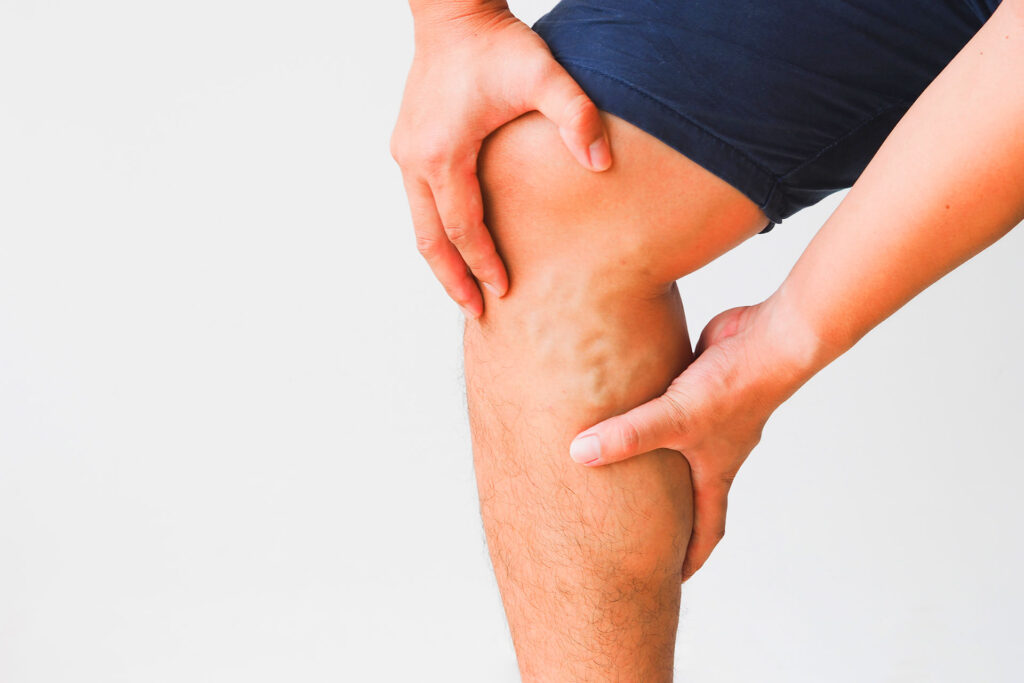
Your legs ache by mid-afternoon. They feel heavy climbing stairs. And no matter how much you rest, that dull throb just won’t quit. If this sounds familiar, you might be dealing with something more specific than “tired legs”: a real, treatable condition called vein deficiency.
What Is Vein Deficiency in the Legs?
Vein deficiency, also called chronic venous insufficiency, happens when the valves inside your leg veins weaken and can no longer push blood efficiently back to the heart. Blood pools in the lower legs, causing swelling, aching, heaviness, and visible veins. It’s a circulatory issue, not just a cosmetic one, and it tends to worsen without treatment.
Why Does Vein Deficiency Happen?
Veins rely on a one-way valve system to fight gravity. When those valves stretch out or get damaged, blood flows backward instead of forward. Over time, this pressure builds up in the lower leg veins, causing them to bulge, twist, or become visibly enlarged.
Several factors make this valve breakdown more likely:
- Genetics: a family history of varicose veins significantly raises your risk
- Prolonged sitting or standing: jobs that keep you stationary strain vein function
- Pregnancy: increased blood volume and hormonal shifts weaken vein walls
- Obesity: added pressure on lower body veins accelerates valve wear
- Age: vein elasticity naturally declines over time
- Sedentary lifestyle: lack of movement reduces calf muscle pump efficiency
Common Symptoms You Shouldn’t Ignore
Vein deficiency doesn’t always announce itself with dramatic signs. Often, it starts subtly and builds gradually.
- Persistent leg heaviness or fatigue, especially by evening
- Swelling around the ankles and lower legs
- Aching, throbbing, or a burning sensation
- Itchy or tight-feeling skin on the lower legs
- Visible varicose or spider veins
- Skin discoloration near the ankles in advanced cases
- Leg cramps, particularly at night
Some people also notice small clusters of thread-like red or purple lines near the surface of the skin. These are often mistaken for something alarming, but they’re usually just burst capillaries in the legs, a separate and generally harmless issue that can still be linked to underlying vein pressure.
How Is Vein Deficiency Diagnosed?
Diagnosis usually starts with a physical exam and a review of your symptoms and lifestyle. From there, a vein specialist may use a duplex ultrasound to visualize blood flow and check valve function in real time. This painless, non-invasive test is considered the gold standard for confirming venous insufficiency.
Catching the condition early matters. Left untreated, vein deficiency can progress to more serious complications, including skin ulcers, chronic inflammation, and blood clots.
Treatment Options That Actually Help
The good news? Vein deficiency is highly manageable, and in many cases, treatable at the source rather than just the symptoms.
Lifestyle Adjustments
- Elevate your legs above heart level for 15-20 minutes daily
- Stay active with walking, swimming, or cycling to boost circulation
- Avoid sitting or standing for long stretches without moving
- Maintain a healthy weight to reduce venous pressure
Compression Therapy
Compression stockings apply graduated pressure to the legs, helping push blood upward and reducing pooling. They’re often the first line of defense recommended by vein specialists.
Medical and Minimally Invasive Procedures
When lifestyle changes aren’t enough, modern vein treatments offer fast, low-downtime solutions:
- Sclerotherapy: a solution is injected to collapse problem veins
- Endovenous laser therapy (EVLT): laser energy seals off faulty veins
- Radiofrequency ablation: heat energy closes damaged veins
- VenaSeal: a medical adhesive closes the vein without heat
These procedures redirect blood flow to healthier veins nearby, easing symptoms and improving the appearance of the legs over time.
When Should You See a Vein Specialist?
Don’t wait for symptoms to become unbearable. If you’re experiencing persistent swelling, visible bulging veins, skin changes, or leg pain that interferes with daily life, it’s time to get evaluated. Early intervention typically means simpler, less invasive treatment.
Frequently Asked Questions
Can vein deficiency go away on its own?
No. Vein valves that have weakened won’t repair themselves naturally. Without treatment or lifestyle management, symptoms typically progress over time.
Is vein deficiency the same as varicose veins?
Not exactly. Varicose veins are often a visible symptom of vein deficiency, but you can have venous insufficiency without any visibly bulging veins.
Does walking help with vein deficiency?
Yes. Walking activates the calf muscle pump, which helps push blood back toward the heart and can meaningfully reduce swelling and heaviness.
Are compression stockings a permanent fix?
Compression stockings manage symptoms and slow progression, but they don’t repair damaged valves. Many people use them alongside other treatments for the best results.
Can young people develop vein deficiency?
Yes. While risk increases with age, factors like genetics, pregnancy, and prolonged sitting or standing can cause vein issues at any age.
Final Thoughts
Vein deficiency in the legs is more common than most people realize, and it’s rarely just a cosmetic concern. Heaviness, swelling, and visible veins are your body’s way of signaling that blood flow isn’t working the way it should. The earlier you address it, whether through lifestyle changes, compression therapy, or a minimally invasive procedure, the easier it is to manage and reverse the discomfort. If your legs have been trying to tell you something, it might finally be time to listen.