

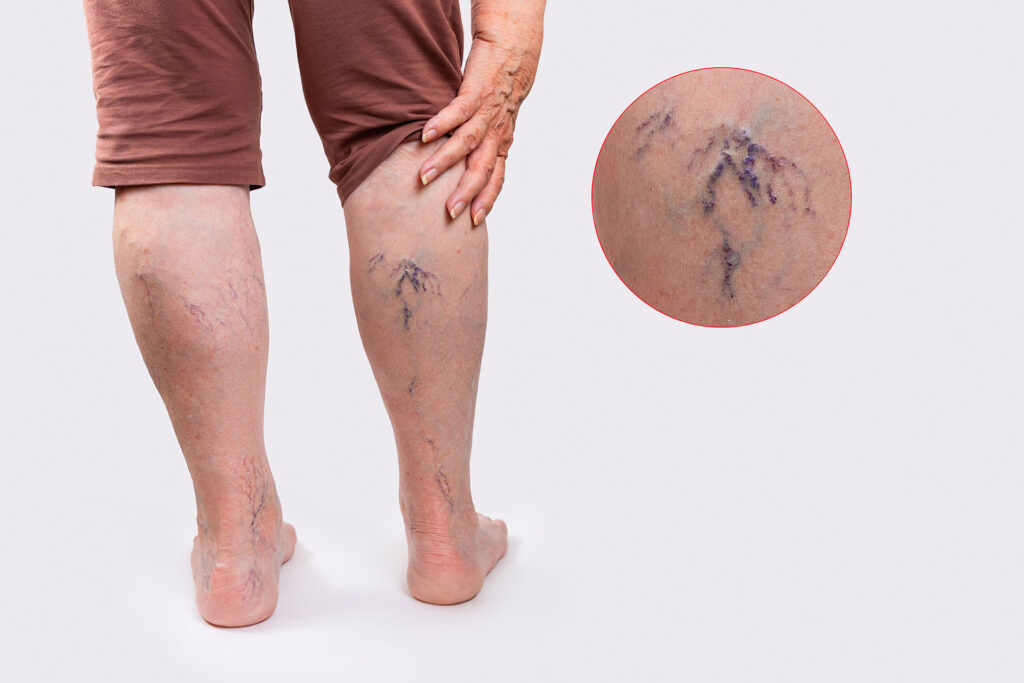
Spider veins are not always painful. For many people, they are simply there, those fine, thread-like purple or red patterns that show up on the legs and become impossible to ignore once you notice them. Some people are unbothered. Others find them deeply frustrating.
What most people do not realize is that spider veins can also be an early visible sign of venous insufficiency, even when no discomfort is present. Whether you are looking to address them for cosmetic reasons or because you want to stay ahead of a developing vein problem, modern spider vein treatments in New Jersey can eliminate them entirely.
Sclerotherapy: The Gold Standard for Spider Vein Removal
Sclerotherapy has been the leading spider vein treatment since the 1930s, and for good reason. It is simple, effective, and requires no downtime.
Here is how it works: a physician injects a chemical solution directly into the targeted vein. The solution irritates the vessel lining, causing the walls to collapse and seal shut. Blood naturally reroutes through nearby healthy vessels, and over the following weeks, the body gradually breaks down the closed vein until it disappears from the surface entirely.
Sclerotherapy works well for both delicate spider veins and smaller varicose veins. Most patients need between three and five sessions, each lasting around 30 minutes. You can drive yourself home and return to work the same day.
Possible side effects include:
- Mild bruising lasting five to seven days
- Temporary brownish discoloration along the injection path
- Minor tenderness when pressure is applied to the area
These side effects are short-lived and do not typically interfere with daily activity
Venous Ablation: Best for Larger Varicose Veins Feeding Spider Patterns
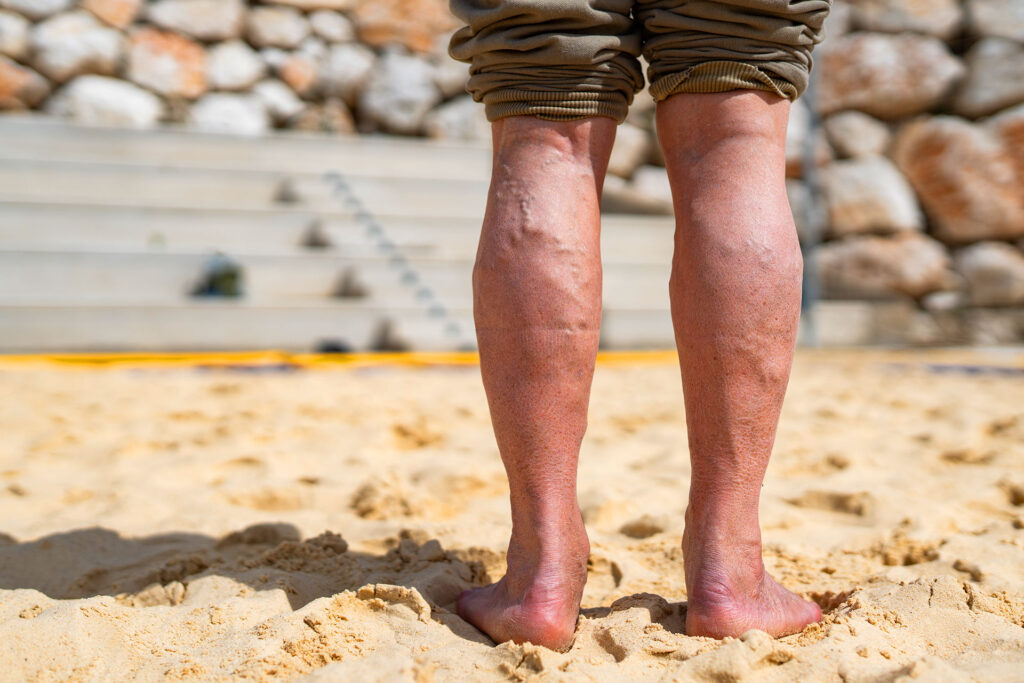
If your spider veins are being fed by larger underlying varicose veins, sclerotherapy alone may not be enough. Venous ablation addresses the root cause.
A slender catheter is guided into the problem vein and delivers either radiofrequency or laser energy directly to the vessel wall. The heat permanently seals the vein shut. Your circulatory system reroutes blood through healthy vessels almost immediately, and the treated vein is gradually absorbed by the body over time.
Local anesthesia is used throughout, so discomfort is minimal. Most patients resume normal activity within one to two days.
One thing to plan for: compression stockings are required after this procedure, typically for at least seven days. They support proper healing and help prevent complications. Your specialist will give you a clear timeline based on your specific situation.
Venous ablation is one of the most effective treatments available for addressing the underlying dysfunction that drives both varicose and spider vein formation.
ClariVein: A Gentler Alternative to Traditional Ablation
ClariVein combines two approaches in a single procedure, making it a strong option for patients who want effective results with less post-treatment bruising and soreness.
A rotating wire is inserted into the vein and mechanically disrupts the interior lining while simultaneously releasing a sclerosing solution. The physical disruption makes the vein walls more receptive to the chemical agent, resulting in more thorough closure than either technique would achieve on its own.
One of the key advantages of ClariVein is that it does not require tumescent anesthesia, the process where large volumes of numbing liquid are injected around the vein before treatment. Fewer needle sticks mean less bruising, less swelling, and a faster return to exercise and activity.
ClariVein is particularly useful for treating superficial veins, including visible red and purple veins near the skin surface. Compression stockings are still required after treatment, but typically for a shorter duration than with traditional ablation.
VenaSeal: The No-Compression, No-Downtime Option
VenaSeal is one of the most advanced spider and varicose vein treatments available, and it stands out for one major reason: no compression stockings required afterward.
Instead of heat or chemicals, VenaSeal uses a medical-grade cyanoacrylate adhesive injected directly into the diseased vein. The glue bonds instantly, sealing the vessel permanently shut. Over the following months, the body naturally breaks down both the adhesive and the vein tissue.
Because no thermal energy is involved, the surrounding tissue is unaffected. Only the insertion site needs to be numbed, rather than the entire length of the vein. The procedure takes 15 to 20 minutes, and patients can return to all normal activities immediately, including running, swimming, and exercise.
For patients who cannot take time away from work or physical activity, VenaSeal is often the most practical choice. Research supports strong long-term outcomes with low recurrence rates.
Which Spider Vein Treatment Is Right for You?
The right treatment depends on several factors, including the size and location of your veins, the presence of any underlying venous insufficiency, and your lifestyle and recovery preferences.
As a general guide:
- Small spider veins respond well to sclerotherapy
- Larger varicose veins typically require venous ablation or VenaSeal
- Patients who need immediate return to activity often benefit most from VenaSeal or ClariVein
- Veins with underlying feeder vessels may need a combination approach, ablation for the deeper veins, and sclerotherapy for the surface
Why Treating Spider Veins Sooner Makes Sense
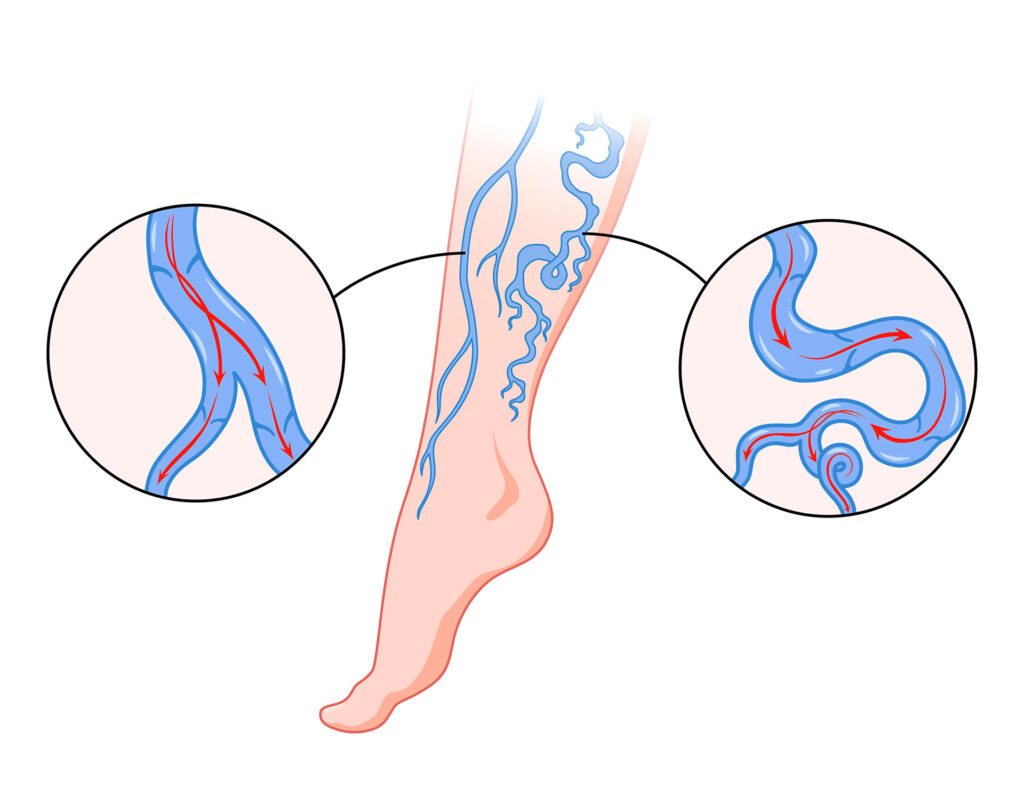
Spider veins do not typically resolve on their own. Without treatment, they tend to multiply and spread. What starts as a small cluster can expand into a larger network over time. In many cases, early spider veins are also a visible signal of venous insufficiency developing beneath the surface.
Treating them early is simpler, faster, and more effective than waiting until the network has grown. More importantly, it gives your vein specialist the chance to identify and address any underlying circulation issues before they progress into something more serious.
Frequently Asked Questions About Spider Vein Treatment
How many sclerotherapy sessions will I need?
Most patients need between three and five sessions, depending on the extent of the veins being treated. Each session takes around 30 minutes, and there is no downtime.
Is spider vein treatment covered by insurance?
When spider veins are purely cosmetic, treatment is typically not covered. However, if they are linked to venous insufficiency or causing symptoms, coverage may apply. Our team at CURA Vein Center helps patients review their insurance options before starting treatment.
How long does it take to see results after sclerotherapy?
Most patients notice significant fading within three to six weeks. Full results may take a couple of months as the body continues to absorb the treated vein.
Can spider veins come back after treatment?
Treated veins do not return, but new ones can form over time, particularly if underlying venous insufficiency is not addressed. A proper diagnostic ultrasound helps identify and treat the root cause, reducing the likelihood of recurrence.