
Noticed your veins looking more like a roadmap lately? You are not alone, and your bathroom mirror is not lying to you. Veins that suddenly seem more prominent can be startling, but the reasons behind them range from completely harmless to signals your body wants you to pay attention to.
Why Are My Veins Really Visible?
Visible veins usually happen because of thin or low body fat skin, genetics, aging skin elasticity loss, heat, exercise, or increased blood flow. In some cases, prominent veins signal vein valve weakness, which can lead to varicose or spider veins if left unaddressed over time.
The Everyday Reasons Veins Become More Visible
Before jumping to conclusions, it helps to know that vein visibility is often completely normal. Your skin, body composition, and lifestyle all play a role in how much of your vascular system you can actually see.
1. You Simply Have Less Body Fat
Veins sit just beneath a layer of fat and skin. The less fat you have, the closer those veins are to the surface. This is why athletes, bodybuilders, and naturally lean individuals often have highly visible veins, especially in the arms, hands, and legs.
2. Your Skin Is Thinner Than It Used To Be
Skin naturally loses collagen and elasticity with age. Thinner skin means less camouflage for the veins underneath, making them appear more prominent even if nothing has changed with the veins themselves.
3. Genetics Loaded the Dice
If your parents had noticeably visible veins, there is a good chance you inherited the same trait. Vein depth, skin thickness, and even vein wall strength are largely hereditary.
4. Heat and Exercise Dilate Blood Vessels
Warm temperatures and physical activity cause blood vessels to widen, or vasodilate, to help cool the body and deliver oxygen to working muscles. This is a temporary and harmless reason veins can suddenly pop.
5. Hormonal Shifts
Pregnancy, birth control, and hormonal fluctuations can increase blood volume and relax vein walls, making veins more noticeable, particularly in the legs.
When Visible Veins Might Mean Something More
Not every visible vein is a reason for concern, but some patterns deserve a closer look. Veins that bulge, twist, ache, or come with swelling are different from veins that are simply visible due to lean skin.
- Veins that appear suddenly swollen, rope-like, or twisted
- Veins accompanied by aching, heaviness, or throbbing in the legs
- Skin discoloration near the visible vein
- Veins that worsen after long periods of standing or sitting
- A visible vein paired with persistent swelling in the ankle or foot
These symptoms often point toward vein valve dysfunction, where blood struggles to flow efficiently back to the heart. Over time, this pressure buildup is exactly what causes tired legs and bulging veins, a progression that is far easier to manage early than later.
What Happens Inside the Vein
Veins rely on one-way valves to push blood upward against gravity. When those valves weaken, blood can pool instead of flowing smoothly. This pooling increases pressure inside the vein, stretching its walls and making it more visible, sometimes dramatically so.
This is different from the harmless visibility caused by low body fat or heat. Valve-related vein issues tend to worsen gradually, especially with prolonged standing, sedentary jobs, pregnancy, or a family history of varicose veins.
Simple Habits That Support Healthier Veins
Whether your visible veins are purely cosmetic or an early sign of circulation strain, supporting vein health is almost always a good idea.
- Move regularly to keep blood circulating instead of pooling
- Elevate your legs when resting, especially after long periods of standing
- Stay hydrated to support healthy blood volume and circulation
- Avoid crossing your legs for extended periods
- Wear compression garments if recommended for your activity level
These habits will not change your genetics, but they can meaningfully reduce the pressure placed on your veins day to day.
When It Is Worth Getting Checked
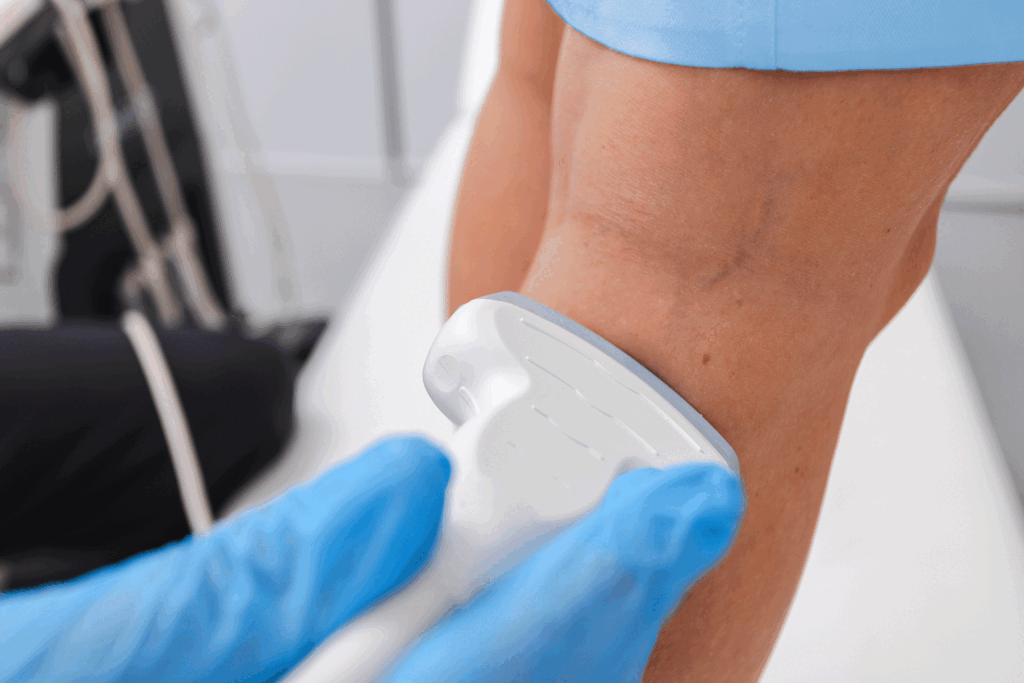
If your visible veins are new, rapidly worsening, painful, or accompanied by swelling, it is worth having them evaluated. Vein specialists can assess whether what you are seeing is simply anatomy or an early sign of venous insufficiency that could benefit from treatment.
Catching vein issues early often means simpler solutions and better long-term outcomes, rather than waiting until symptoms become more disruptive.
Frequently Asked Questions
Are visible veins always a sign of a health problem?
No. Many people have visible veins simply due to low body fat, thin skin, genetics, or temporary vasodilation from heat or exercise. Visible veins only become a concern when paired with pain, swelling, or bulging.
Why do my veins look more visible after a workout?
Exercise increases blood flow and causes vasodilation, which widens veins temporarily to deliver oxygen to muscles. This effect usually fades once your body cools down and heart rate returns to normal.
Can visible veins go away on their own?
Veins that are visible due to body fat, heat, or temporary dilation often become less noticeable once conditions change. However, veins that are visible due to valve dysfunction typically do not resolve without lifestyle changes or treatment.
Is it normal for veins to become more visible with age?
Yes. As skin loses collagen and elasticity over time, veins that were once hidden beneath thicker skin can become more noticeable, even without any underlying circulation issue.
Should I be worried if only one leg has visible veins?
Asymmetrical vein visibility, especially with swelling or discomfort, is worth having evaluated, as it can sometimes indicate localized circulation issues rather than a general pattern like genetics or low body fat.
Final Thoughts
Visible veins are usually nothing more than a reflection of your skin, body composition, or genetics. But when they come paired with bulging, aching, or swelling, they may be telling a different story about your circulatory health. Paying attention to these patterns early can help you take simple, proactive steps before minor changes turn into bigger concerns.