
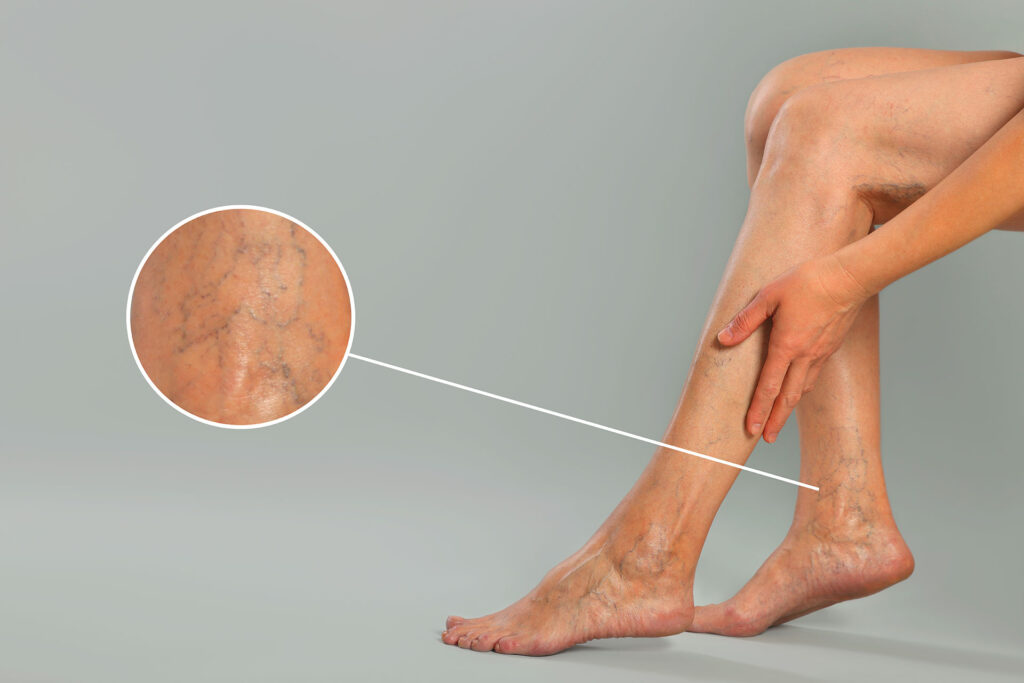
Millions of people experience varicose veins each year, and many delay seeking help for far too long. If you notice raised, twisted veins on your calves or feel the familiar heaviness after a long day, it could be a sign that your legs need attention.
The good news is that treatment for varicose veins in New Jersey is now easier, more comfortable, and more effective than ever before.
What Leads to Varicose Veins in the Legs?
To understand varicose veins, it’s important to know how leg veins function. Their main job is to push blood upward, against gravity, back toward the heart. This process relies on tiny one-way valves that open and close with each step you take.
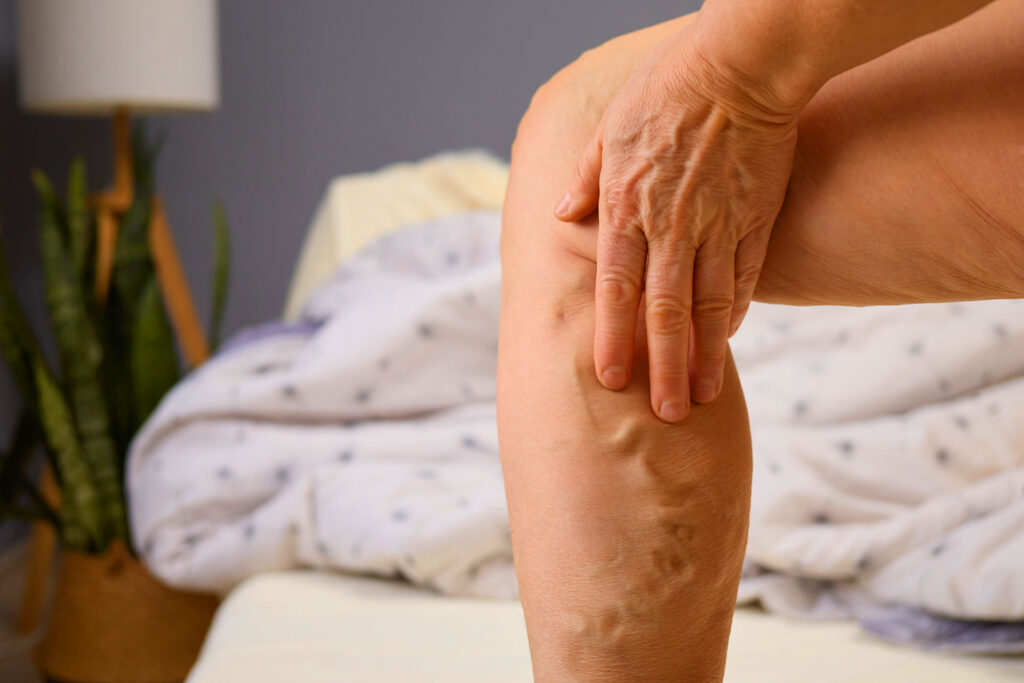
When these valves weaken, blood begins to pool inside the veins, causing pressure to build. Over time, the vein wall stretches, resulting in the raised, discolored, and bulging veins visible on the surface of your skin.
Common causes and risk factors for varicose veins include:
- Genetics: If a parent had varicose veins, your risk is significantly higher.
- Prolonged standing or sitting: Jobs that involve standing for long hours or sitting at a desk increase strain on the veins.
- Pregnancy: Increased blood volume and hormonal changes put extra pressure on leg veins.
- Age: Vein valves naturally weaken as you age.
- Excess weight: Extra body weight places added pressure on the venous system.
Recognizing Varicose Vein Symptoms
MMany people mistake the symptoms of varicose veins for general fatigue or the effects of aging. Being aware of the signs can help catch vein disease early, when treatment is most effective.
Common symptoms of varicose veins include:
- Heavy, aching, or tired legs, particularly after prolonged standing or sitting
- Visible blue, purple, or green veins that bulge on the skin’s surface, often on the calves or thighs
- Swelling around the ankles or lower legs that worsens as the day goes on
- Itching or a burning sensation over the visible veins
- Nighttime leg cramps or restless legs that interfere with sleep
- Skin discoloration or thickening near the ankles
When to Seek Immediate Care: If you notice a vein becoming suddenly red, warm, tender, or if you feel a hard lump along its path, it’s important to consult a vein specialist right away. These could be signs of superficial thrombophlebitis, a condition that requires prompt medical attention.
Varicose Vein Treatment Options
Advancements in varicose vein treatment have made procedures more accessible and effective. Today’s treatments are minimally invasive, performed in-office, and require little to no recovery time. Below are the most common and effective treatment options available at CURA Vein Center in New Jersey.
Compression Therapy: Graduated compression stockings are often the first recommended treatment. These stockings apply controlled pressure to support healthy circulation and reduce discomfort. While they don’t eliminate existing varicose veins, they help prevent further progression and ease symptoms.
Sclerotherapy: Sclerotherapy is a proven in-office treatment for spider veins and smaller varicose veins. A sclerosant solution is injected directly into the vein, causing it to close and gradually fade. Most patients experience visible improvement within 3 to 6 weeks.
Radiofrequency or Laser Ablation (Endovenous Thermal Ablation: A thin catheter is inserted into the vein, delivering heat energy to seal the vein from the inside. This is an effective solution for treating larger varicose veins, and most patients can resume normal activities the same day.
VenaSeal Closure System: VenaSeal uses a medical-grade adhesive to permanently close the diseased vein, with minimal bruising and no heat involved. This innovative method offers a comfortable treatment option with excellent results.
Lifestyle Management: Although lifestyle changes like regular walking, leg elevation, weight management, and taking frequent movement breaks won’t reverse existing veins, they can significantly reduce symptoms and slow the development of new varicose veins.
Do You Need Varicose Vein Treatment?
Not every case of varicose veins requires immediate intervention. If your veins are visible but symptom-free, a vein specialist may recommend monitoring and using compression therapy for the time being.
However, treatment is likely the right option if you’re experiencing any of the following:
- Persistent leg aching, heaviness, or swelling
- Skin changes around the ankle
- Veins that are visibly worsening over time
- Symptoms that impact your sleep, work, or daily activities
To assess the severity and determine the best course of action, a duplex ultrasound is typically used. This quick, painless, and non-invasive procedure helps your specialist map out your vein function and identify any underlying venous insufficiency, ensuring an accurate diagnosis before proceeding with treatment.
Frequently Asked Questions About Varicose Veins
Are varicose veins only a cosmetic problem?
No, varicose veins go beyond cosmetic concerns. While they may initially appear as a visual issue, they indicate weakened vein valves and poor circulation. If left untreated, varicose veins can lead to discomfort, swelling, skin changes, and even more severe complications like blood clots or venous ulcers.
What is the least invasive treatment for varicose veins?
For smaller varicose veins, sclerotherapy is often the least invasive and highly effective treatment. It involves no downtime and delivers quick results. For larger veins, treatments like VenaSeal and radiofrequency ablation are minimally invasive options that allow for same-day recovery.
How do I know if my varicose veins need medical attention?
If you experience symptoms such as leg heaviness, swelling, skin discoloration, or night cramps alongside visible veins, it’s important to seek medical advice. These signs could indicate more serious circulation problems, and a duplex ultrasound can assess whether venous insufficiency is contributing to your symptoms.
Does insurance cover varicose vein treatment?
In many cases, yes. When varicose veins cause symptoms like pain, swelling, or skin changes, treatments are often covered by insurance. At CURA Vein Center, we assist our patients in navigating insurance coverage and provide clear, upfront billing with no hidden costs.