
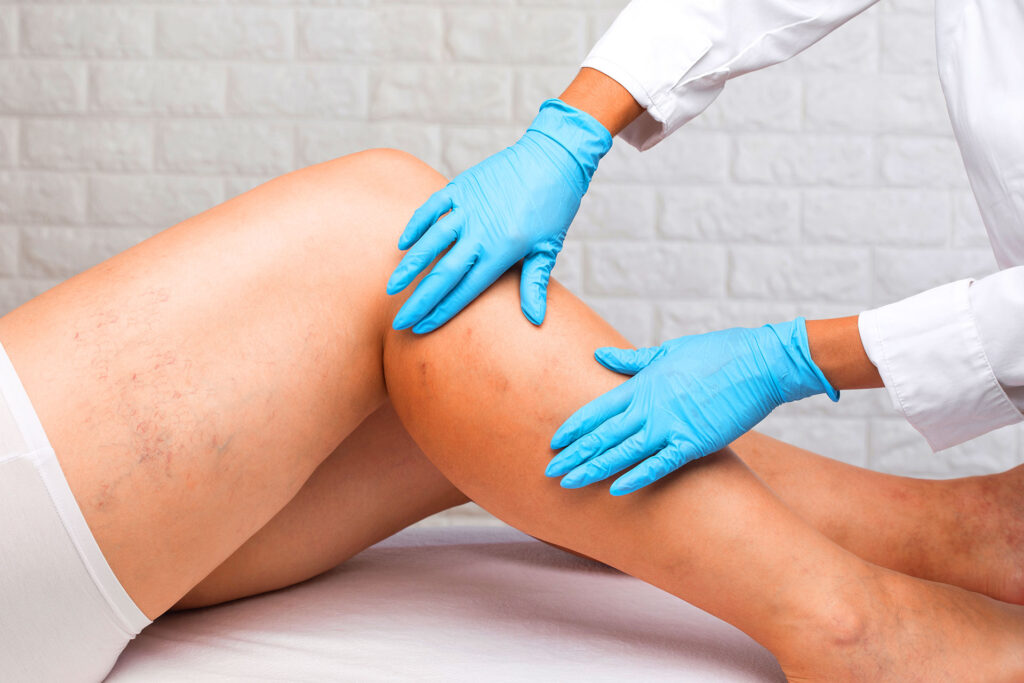
Start Beneath the Surface
Varicose veins are visible, but they begin beneath the surface. Blood in the legs normally moves upward against gravity, supported by small one-way valves that keep circulation steady. When these valves weaken, blood flow slows and some may flow backward. Over time, pressure builds in areas not designed to handle it.
The vein then stretches to accommodate this increased pressure and may remain enlarged. Understanding this process is important because effective vein treatment addresses both function and appearance. That is why early evaluation by a vein specialist can make a meaningful difference.
Doctors Who Focus on Veins as a System
Some physicians dedicate their practice specifically to vein health—not just skin concerns or general circulation, but the venous system itself. They study how blood moves through the legs, where flow slows, where it pools, and where pressure gradually builds over time.
Imaging plays a central role in this approach, especially ultrasound, which allows a vein specialist to directly observe blood flow patterns rather than rely on assumptions.
This type of care is investigative by design: assess first, measure carefully, and only then determine the most appropriate treatment plan.

Physicians With Added Vein Expertise
Other doctors may come to vein care from different specialties such as internal medicine, cardiology, or dermatology. What distinguishes them is additional focused training in venous disease.
Experience plays an important role in this field. Vein conditions do not develop in the same way for every patient, patterns vary and causes can overlap. With greater clinical experience, vein specialists are better able to recognize what is happening beneath the surface and tailor treatment accordingly.
When Vascular Surgeons are Involved?
Vascular surgeons treat conditions involving blood vessels throughout the body. In vein care, they often manage more advanced cases or conditions that have progressed over time.
Despite the term “surgeon,” treatment does not always involve surgery. Many modern procedures are minimally invasive and focus on restoring proper blood flow rather than removing veins.
Other Roles Along the Way
Primary care physicians often identify varicose veins early. Help recognize symptoms, and guide patients toward the appropriate next steps. They typically serve as an entry point into care rather than the final treatment provider.
Dermatologists may treat smaller, surface-level veins, particularly spider veins, as their focus is primarily on skin-related conditions.
While both are valuable in the early stages of evaluation and care, their role in comprehensive vein treatment is often limited compared to vein specialists.
How to Choose, Without Overthinking It
Titles can vary, but what matters most is the approach to care. Look for providers who offer:
- Evaluation of blood flow
- Diagnostic imaging, such as ultrasound
- A range of treatment options
- Attention to both symptoms and appearance
A comprehensive, patient-focused evaluation helps ensure the most appropriate treatment plan for your condition.
Which Vein Specialist Is Right for You?
Varicose veins rarely require urgent care, but they do benefit from proper evaluation. The right specialist looks beyond what is visible on the surface and focuses on the underlying cause of the condition. When care starts there, treatment decisions become clearer and outcomes are often more durable.
Working with an experienced vein specialist can involve lifestyle recommendations, targeted therapies, or minimally invasive procedures designed to address the root cause and reduce the chance of recurrence.
The goal goes beyond appearance, improving comfort, reducing heaviness in the legs, and supporting long-term vein health so you can move through daily life with greater ease and confidence.
Frequently Asked Questions
Can a primary care doctor treat varicose veins?
Primary care doctors can identify varicose veins and guide you on next steps, but they are usually a starting point. For diagnosis and treatment, a phlebologist or vein specialist with access to diagnostic imaging is typically the more appropriate provider.
Do I need surgery for varicose veins?
In most cases, no. Modern treatments are minimally invasive and focus on restoring healthy blood flow. Surgery is generally reserved for more advanced or complex cases.
How do I know if my varicose veins need medical attention?
If your legs feel heavy, tight, or uncomfortable by the end of the day, it may indicate more than a cosmetic concern. A vein specialist can use ultrasound imaging to evaluate blood flow and pressure beneath the surface.
Catch vein issues early, schedule your consultation today.