
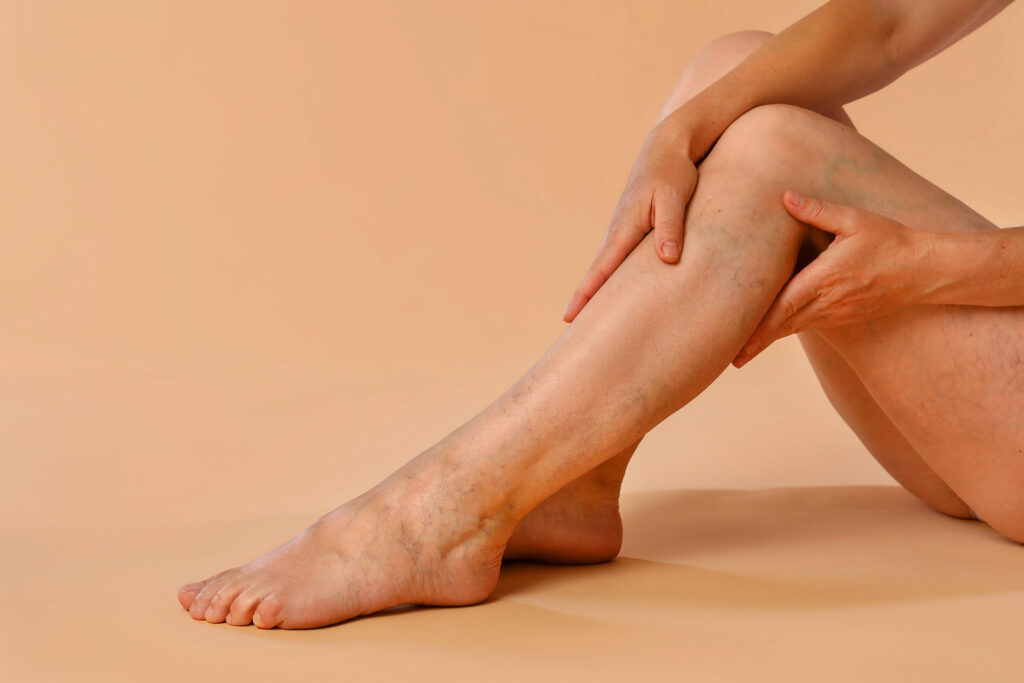
That dull ache running along your leg isn’t random. It’s not “just tiredness” or something that only happens to older adults. Pain in the vein of leg is your body’s way of flagging a circulation problem that’s easy to ignore until it isn’t. Let’s break down what’s actually happening under your skin and what you can do about it.
What Causes Pain in the Vein of Leg?
Pain in the vein of leg is usually caused by weakened or damaged vein valves, a condition called venous insufficiency. When valves fail, blood pools instead of flowing upward, creating pressure, swelling, throbbing, and aching. Common triggers include prolonged standing, sitting, pregnancy, obesity, and genetics. Left untreated, it can worsen over time.
Why Your Leg Veins Hurt in the First Place
Veins work hard. They constantly push blood against gravity, back up toward your heart. When the tiny one-way valves inside them weaken, blood starts to backflow and collect in the lower legs.
That pooling is what creates the heaviness, cramping, or burning sensation many people describe as “vein pain.” It’s not muscle soreness. It’s a circulation issue happening in real time.
Common Symptoms That Come With Vein Pain
- Throbbing or aching that worsens by evening
- Swelling around the ankles or calves
- Heaviness after standing or sitting for long periods
- Cramping, especially at night
- Visible bulging or discoloration along the vein path
The Warning Signs Hiding Behind “Just a Little Pain”
Here’s the part most people miss: vein pain rarely shows up alone. It often travels with visible changes in the skin, like twisting, rope-like veins or faint discoloration that seems to appear out of nowhere.
If you’ve noticed unusual patterns forming beneath the surface, it’s worth understanding what they mean. Those vein problems in legs are often trying to tell you something long before pain becomes constant or severe.
When Pain Signals Something More Serious
Not all vein pain is created equal. Some cases point to early-stage varicose veins. Others may hint at deeper circulation issues that need medical attention.
Pay closer attention if you experience:
- Sudden, one-sided leg swelling
- Warmth or redness over a vein
- Pain that intensifies rapidly within hours
- Skin that feels tight, shiny, or discolored
These symptoms can indicate a blood clot and should never be dismissed.
What Makes Vein Pain Worse
Certain daily habits quietly fuel the problem. Understanding these triggers helps you make small adjustments that ease pressure on your veins.
- Sitting or standing too long without moving
- Crossing your legs frequently
- Wearing tight clothing around the waist or thighs
- Heat exposure, which dilates veins further
- Lack of movement during long flights or car rides
Simple Ways to Ease the Ache
You don’t need a dramatic lifestyle overhaul to feel relief. Small, consistent habits often make the biggest difference.
- Elevate your legs for 15–20 minutes daily
- Stay active with walking or light stretching
- Wear compression garments if recommended
- Stay hydrated to support healthy circulation
- Avoid long static positions whenever possible
When It’s Time to Talk to a Specialist
If your pain is persistent, worsening, or paired with visible vein changes, it’s a signal your body shouldn’t have to keep sending. Vein specialists can evaluate blood flow, check valve function, and recommend a path forward based on what’s really happening beneath the skin.
Early attention often means simpler solutions and better long-term comfort.
Frequently Asked Questions
Is pain in the vein of leg always serious?
Not always, but it shouldn’t be ignored. Mild aching may point to early venous insufficiency, while sudden or severe pain could signal something more urgent.
Can vein pain go away on its own?
Mild discomfort may improve with movement, elevation, or compression. However, underlying vein issues typically don’t resolve without proper evaluation.
Does vein pain always come with visible veins?
No. Pain can occur before any visible changes appear, especially in early-stage venous insufficiency.
What’s the difference between muscle pain and vein pain?
Muscle pain often follows activity and improves with rest. Vein pain tends to build throughout the day and worsens with prolonged standing or sitting.
Should I be worried if only one leg hurts?
One-sided pain, especially with swelling or warmth, deserves prompt medical attention, as it can indicate a more serious circulation issue.