
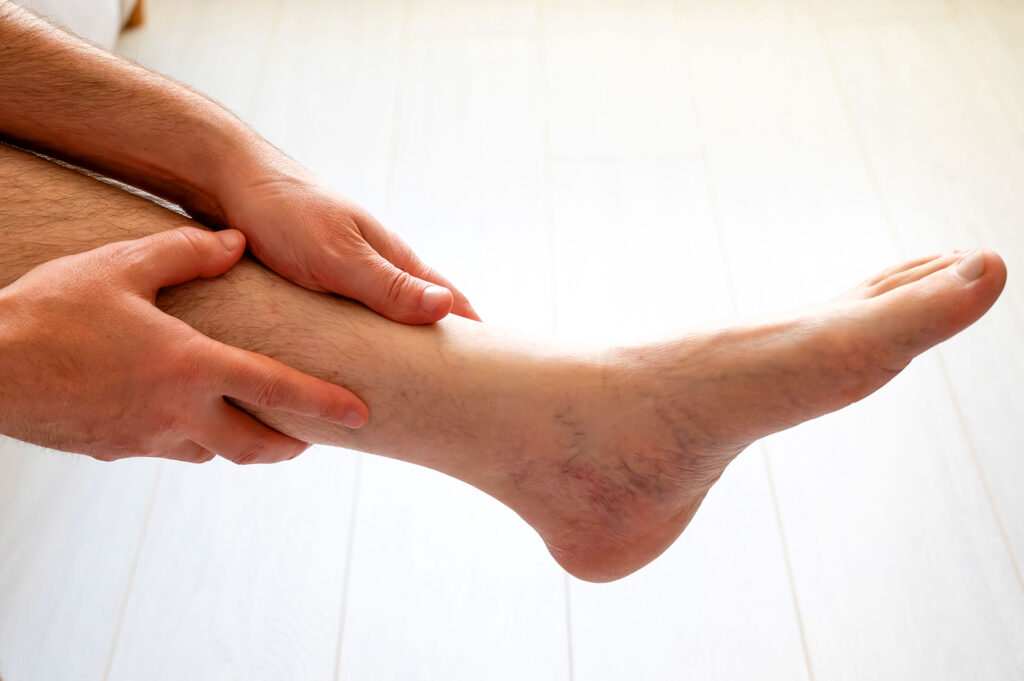
Your legs carry you through every single day, yet most people never notice the quiet warning signs until they show up as bulging veins, achy calves, or skin that just doesn’t look right anymore. Vein disease in legs is one of the most overlooked circulatory conditions, largely because early symptoms are mistaken for simple fatigue or aging. Understanding what’s actually happening beneath the surface can help you catch problems before they become serious.
What Is Vein Disease in Legs?
Vein disease in legs, also called venous insufficiency, occurs when leg vein valves weaken and fail to push blood back to the heart efficiently. This causes blood to pool, leading to swelling, varicose veins, skin discoloration, and aching or heaviness. Left untreated, it can progress to ulcers or clotting complications.
How Does Vein Disease Actually Develop?
Healthy veins rely on one-way valves to keep blood flowing upward against gravity. When those valves become damaged or stretched out, blood starts to leak backward and collect in the lower legs. Over time, that pooled blood raises pressure inside the vein walls, causing them to bulge, twist, and weaken further.
This condition doesn’t happen overnight. It’s usually a gradual process influenced by several compounding factors, which is why so many people dismiss the early stages.
Common Risk Factors
- Prolonged standing or sitting at work
- Family history of varicose or spider veins
- Pregnancy, which increases blood volume and pressure
- Obesity, adding extra strain on leg veins
- Aging, which naturally weakens vein elasticity
- Sedentary lifestyle with limited leg movement
Recognizing the Early Warning Signs
Many people brush off the first symptoms as nothing more than a long day on their feet. But your body is often communicating something more specific.
- Heaviness or fatigue in the legs by evening
- Visible bulging or twisted veins
- Swelling around the ankles and lower legs
- Itching or burning sensations near affected veins
- Skin that appears darker, leathery, or discolored
- Cramping, especially at night
If these symptoms sound familiar, it’s worth paying closer attention rather than waiting for them to worsen.
When Vein Disease Becomes More Serious
In more advanced stages, poor circulation can lead to complications that go beyond cosmetic concern. Chronic venous insufficiency may eventually cause skin ulcers, especially near the ankles, which are slow to heal and prone to infection.
There’s also a lesser-known risk that many people aren’t warned about. Inflammation within a vein close to the skin’s surface can sometimes signal a deeper issue. If you notice a tender, warm, or reddened cord-like area along a varicose vein, it may be linked to superficial blood clots, which should never be ignored even if they seem minor at first.
Diagnosing Vein Disease
A proper diagnosis typically starts with a physical exam, where a specialist checks for visible vein changes, swelling patterns, and skin texture. From there, a duplex ultrasound is often used to evaluate blood flow direction and identify valve dysfunction.
This imaging is painless and non-invasive, giving a clear picture of how severe the venous insufficiency has become and which veins are affected.
Why Early Evaluation Matters
- Prevents progression to skin ulcers
- Reduces risk of clot-related complications
- Allows for less invasive treatment options
- Improves long-term comfort and mobility
Everyday Habits That Support Healthier Veins
While professional treatment addresses existing vein damage, daily habits play a major role in slowing progression and easing symptoms.
- Move regularly to activate calf muscle circulation
- Elevate your legs for 15-20 minutes daily
- Wear compression stockings as recommended
- Avoid crossing your legs for extended periods
- Stay hydrated to support healthy blood flow
- Maintain a healthy weight to reduce vein pressure
Frequently Asked Questions
Can vein disease in legs go away on its own?
No, venous insufficiency is a progressive condition. It doesn’t reverse without lifestyle changes, compression therapy, or medical treatment addressing the underlying valve dysfunction.
Is vein disease only a cosmetic issue?
Not at all. While visible veins are a common concern, untreated vein disease can lead to swelling, skin ulcers, and circulatory complications that affect daily comfort and mobility.
Are varicose veins always a sign of vein disease?
Not always, but they’re frequently an early indicator. Some varicose veins are purely cosmetic, while others point to deeper valve or circulatory problems worth evaluating.
Can young people develop vein disease?
Yes. While it’s more common with age, factors like genetics, pregnancy, and prolonged standing can trigger vein disease symptoms much earlier in life.
Does exercise help with vein disease symptoms?
Regular movement, especially walking, strengthens calf muscles that support vein circulation, often reducing swelling and heaviness associated with vein disease.
Final Thoughts
Vein disease in legs is far more common than most people realize, and it rarely improves without attention. Recognizing early symptoms, understanding your risk factors, and seeking a proper evaluation can prevent the condition from progressing into something more serious. Your legs work hard every day. Listening to what they’re telling you is the first step toward long-term vascular health.