
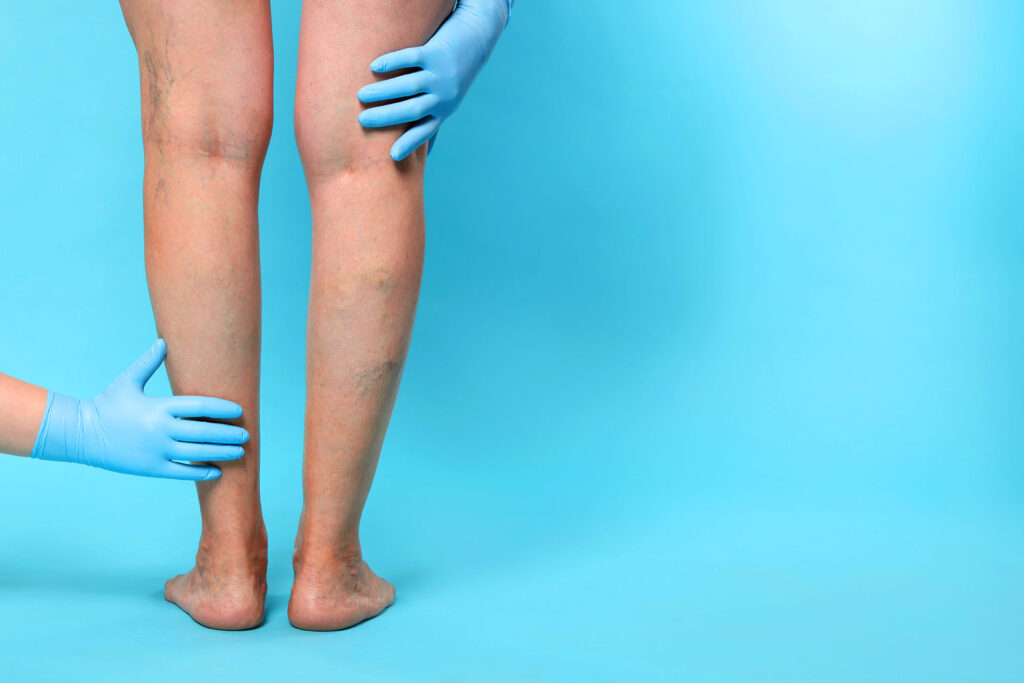
If you have ever glanced down at those twisted, bulging blue lines snaking across your legs and wondered whether the dull ache you feel is connected, you are not alone. Millions of people live with varicose veins, and one of the most common questions they ask is simple: do varicose veins hurt? The short answer might surprise you, and understanding the why behind the pain can help you take control of your leg health.
Do varicose veins hurt? Yes, varicose veins can hurt. Many people feel aching, throbbing, heaviness, or burning in the legs, especially after standing for long periods. However, some varicose veins cause no pain at all and remain purely a cosmetic concern.
Why Do Varicose Veins Hurt in the First Place?
Varicose veins form when the tiny valves inside your veins weaken or fail. Instead of pushing blood smoothly back toward your heart, these faulty valves allow blood to pool and flow backward.
This pooling increases pressure inside the vein, causing it to swell and bulge. That extra pressure is exactly what triggers the uncomfortable sensations so many people describe.
Think of it like a traffic jam in your circulatory system. When blood backs up, your legs bear the weight, and that congestion often shows up as pain, fatigue, or a heavy feeling by the end of the day.
What Does Varicose Vein Pain Actually Feel Like?
Not everyone experiences pain the same way. The discomfort can range from a mild nuisance to something that genuinely interferes with your daily routine.
Here are the most common sensations people report:
- Aching or throbbing: A deep, dull pain that worsens as the day goes on.
- Heaviness: Legs that feel weighed down, almost like you are dragging them around.
- Burning or itching: A warm, irritated feeling around the affected veins.
- Swelling: Puffiness in the ankles and lower legs, particularly in the evening.
- Cramping: Muscle cramps, especially at night, that can disrupt sleep.
- Restless legs: An urge to move your legs to relieve discomfort.
When Does the Pain Get Worse?
Timing matters. Most people notice their symptoms flare up under specific conditions, and recognizing these patterns can help you manage them.
After Long Periods of Standing or Sitting
Gravity is not your friend here. Standing for hours or sitting at a desk all day keeps blood pooling in your lower legs, intensifying the ache and heaviness.
During Warm Weather
Heat causes your veins to dilate, which can make swelling and discomfort more pronounced during summer months.
For Women, During Hormonal Shifts
Pregnancy, menstruation, and menopause can all worsen varicose vein symptoms because hormones affect how your blood vessels behave.
Can Varicose Veins Exist Without Pain?
Absolutely. Some people have prominent varicose veins yet feel nothing at all. For them, the issue is mostly cosmetic.
That said, the absence of pain does not always mean the absence of a problem. Underlying vein disease can progress quietly, so it is worth getting evaluated even if you feel fine.
Quick tip: Pain level is not always a reliable measure of severity. Smaller veins can hurt more than large ones, and vice versa.
Warning Signs You Should Not Ignore
While varicose veins are often harmless, certain symptoms signal that it is time to see a doctor. Pay attention if you notice any of the following:
- Sudden, severe swelling in one leg
- Skin that becomes discolored, hardened, or develops sores near the ankle
- A vein that feels hot, tender, or hard to the touch
- Bleeding from a varicose vein
- Pain that suddenly intensifies or changes in character
These could point to complications like blood clots or skin ulcers, which need prompt medical attention.
How to Relieve Varicose Vein Pain at Home
The good news is that you can ease much of the discomfort with simple lifestyle adjustments. These strategies will not make the veins disappear, but they can significantly reduce the pain.
- Elevate your legs: Prop them above heart level for 15 minutes a few times a day to help blood flow back.
- Wear compression stockings: These gently squeeze your legs to support circulation.
- Stay active: Walking and low impact exercise keep blood moving and strengthen calf muscles.
- Maintain a healthy weight: Less pressure on your legs means less strain on your veins.
- Avoid prolonged stillness: Shift positions, stretch, and take short walks throughout the day.
Medical Treatment Options Worth Considering
When home remedies are not enough, modern medicine offers several effective, minimally invasive solutions. Procedures like sclerotherapy, laser ablation, and radiofrequency treatment can close off problem veins with little to no downtime.
If your concern leans toward those finer, web like veins that often accompany larger ones, exploring spider vein treatment options that help reduce visible veins can give you a clearer picture of what is available. A vein specialist can recommend the right approach based on your symptoms and goals.
Frequently Asked Questions
Are varicose veins dangerous?
In most cases they are not dangerous, but they can occasionally lead to complications like blood clots, skin ulcers, or bleeding. A medical evaluation can rule out anything serious.
Why do my varicose veins hurt more at night?
After a full day of standing or sitting, blood has had more time to pool in your legs. Combined with muscle fatigue, this often makes the aching and cramping more noticeable in the evening.
Can exercise make varicose veins worse?
Generally no. Low impact activities like walking and swimming actually improve circulation and can ease symptoms. High impact or heavy lifting exercises, however, may aggravate them in some people.
Do varicose veins go away on their own?
Varicose veins typically do not resolve without treatment. While lifestyle changes can manage the symptoms, the veins themselves usually require a medical procedure to eliminate them.
Is varicose vein pain a sign of poor circulation?
Yes, the pain often reflects underlying venous insufficiency, where blood struggles to flow properly back to the heart. This is the root cause of most varicose vein discomfort.
The Bottom Line
So, do varicose veins hurt? For many people, yes, they can cause aching, heaviness, burning, swelling, and cramping that ranges from mild to disruptive. Yet others experience no pain at all and simply dislike how the veins look.
The key takeaway is that pain is your body’s signal, and it should not be ignored. Whether you are dealing with constant discomfort or purely cosmetic concerns, simple lifestyle changes and a range of effective treatments can help you feel and look better. If your symptoms persist or worsen, consult a vein specialist to find the solution that fits your needs.