
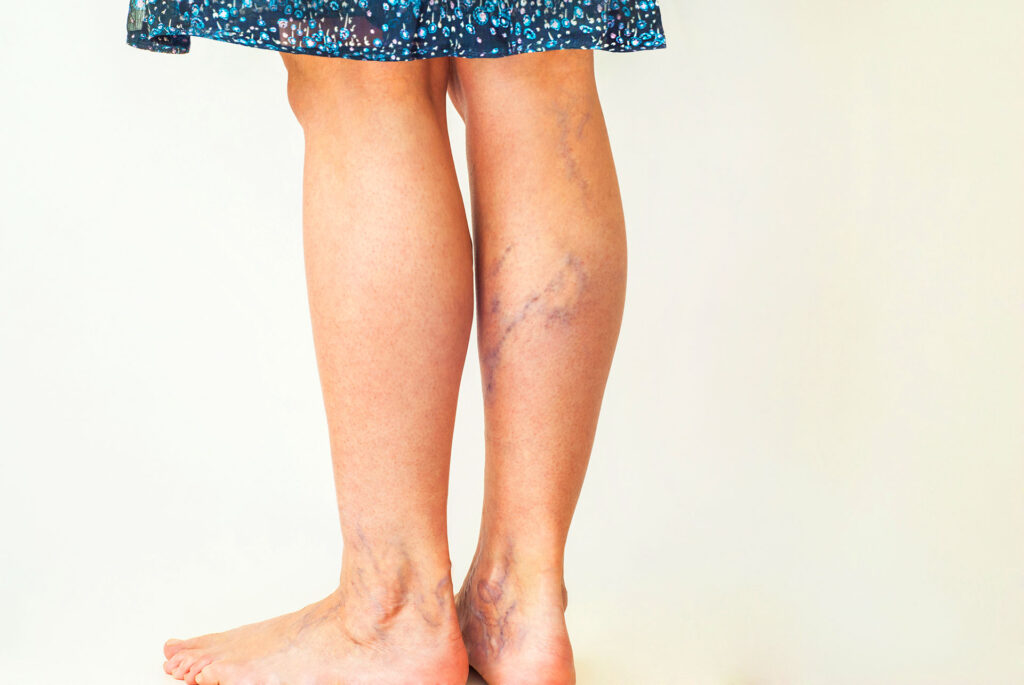
Ever glanced at your legs and noticed those tiny red or blue squiggles creeping across your skin like a road map you never asked for? You are not alone. Spider veins affect millions of people, and while they are usually harmless, most of us would rather keep them off our skin entirely. The good news? Learning how to avoid spider veins is easier than you might think, and it starts with a few smart daily habits.
How do you avoid spider veins?
To avoid spider veins, stay active, maintain a healthy weight, and avoid sitting or standing for long stretches. Wear compression stockings, elevate your legs daily, protect your skin from sun damage, and limit tight clothing. These habits boost circulation and reduce vein pressure.
What Exactly Are Spider Veins?
Spider veins are small, damaged blood vessels that appear just beneath the surface of your skin. They typically show up as thin red, blue, or purple lines and often spread out in a web-like pattern, hence the name.
They are most common on the legs and face, though they can pop up almost anywhere. Unlike their larger cousins, varicose veins, spider veins rarely cause pain. Still, they can be a sign that your circulation needs some attention.
Spider Veins vs. Varicose Veins
While both are related to vein health, they are not identical twins. Spider veins are small and flat, sitting close to the skin surface. Varicose veins are larger, often bulging and rope-like, and can cause aching or heaviness.
If you are curious about the broader picture of vein health and want to understand the full range of issues, this one about causes and treatment of visible leg veins covers everything from risk factors to your treatment options.
What Causes Spider Veins in the First Place?
Before you can prevent them, it helps to know what triggers them. Spider veins form when the tiny valves inside your veins weaken and blood begins to pool instead of flowing smoothly.
Several factors increase your risk:
- Genetics: If your parents had them, your odds go up.
- Prolonged sitting or standing: Common in office workers, nurses, and teachers.
- Hormonal changes: Pregnancy, menopause, and birth control can play a role.
- Weight gain: Extra pounds put added pressure on your veins.
- Sun exposure: UV rays damage delicate facial vessels.
- Age: Vein valves naturally weaken over time.
How to Avoid Spider Veins: Proven Prevention Tips
Now for the part you came for. While you cannot rewrite your genetics, you absolutely can stack the odds in your favor. Here are the most effective strategies for keeping spider veins at bay.
1. Keep Moving Throughout the Day
Your leg muscles act like a pump, pushing blood back toward your heart. When you sit or stand still for hours, that pump slows down and blood pools in your veins.
Make a habit of standing up, stretching, or taking a short walk every 30 to 60 minutes. Even simple ankle rolls under your desk can help circulation.
2. Exercise Regularly
Low-impact activities like walking, swimming, cycling, and yoga strengthen your calf muscles and improve blood flow. Aim for at least 30 minutes most days of the week.
3. Maintain a Healthy Weight
Carrying extra weight increases pressure on the veins in your lower body. A balanced diet rich in fiber, antioxidants, and hydration supports both your waistline and your vein health.
4. Wear Compression Stockings
These are not just for grandparents. Compression stockings gently squeeze your legs, helping blood move upward and preventing pooling. They are especially useful if you stand or sit for long periods at work.
5. Elevate Your Legs
At the end of a long day, prop your legs up above heart level for 15 to 20 minutes. This simple move encourages blood to drain back toward your heart and eases pressure on your veins.
6. Protect Your Skin From the Sun
Spider veins on the face are often linked to sun damage. Apply sunscreen daily and wear a hat when you are outside for extended periods to protect those delicate facial vessels.
7. Rethink Your Wardrobe and Habits
Tight clothing around the waist, groin, and legs can restrict circulation. Swap super-snug jeans for looser fits when you can. Also, ease up on high heels, which limit calf muscle movement.
Do This
- Walk daily
- Stay hydrated
- Eat fiber-rich foods
- Wear sunscreen
- Elevate your legs
Avoid This
- Long periods of sitting
- Tight clothing
- Excess salt
- Frequent hot baths
- Crossing legs for hours
Diet and Hydration: The Underrated Heroes
What you eat affects your veins more than you might guess. Foods high in salt can cause fluid retention and swelling, putting extra strain on your circulatory system.
On the flip side, foods rich in vitamin C and vitamin E support collagen and keep blood vessel walls strong. Think citrus fruits, leafy greens, nuts, and berries. And do not forget water, which keeps blood flowing smoothly.
When Should You See a Specialist?
Prevention goes a long way, but sometimes spider veins appear anyway. If they cause discomfort, multiply quickly, or simply bother you cosmetically, it is worth talking to a vein specialist.
Modern treatments like sclerotherapy and laser therapy are quick, minimally invasive, and highly effective. A professional can help you choose the right approach for your situation.
Frequently Asked Questions
Can spider veins go away on their own?
Spider veins rarely disappear without treatment. Lifestyle changes can stop new ones from forming, but existing veins usually need professional procedures like sclerotherapy to fade completely.
Does crossing your legs cause spider veins?
Crossing your legs occasionally is not a major cause, but doing it for long stretches can restrict blood flow and add pressure on your veins over time. Switching positions regularly is a smart habit.
Are spider veins a sign of a serious health problem?
In most cases, spider veins are purely cosmetic and harmless. However, if they appear alongside swelling, pain, or skin changes, it could signal an underlying vein issue worth getting checked.
Can exercise really prevent spider veins?
Yes. Regular movement strengthens your calf muscles, which act as natural pumps to keep blood circulating. This reduces pooling and lowers your chances of developing new spider veins.
Do compression stockings actually work?
Absolutely. Compression stockings improve circulation by gently squeezing the legs, helping blood flow upward. They are one of the most recommended non-invasive tools for preventing spider veins.
Final Thoughts
Spider veins may be common, but they are far from inevitable. By staying active, watching your weight, protecting your skin, and giving your legs regular breaks, you can dramatically lower your risk. The key takeaway on how to avoid spider veins is consistency. Small daily habits like walking more, wearing compression stockings, and elevating your legs add up to big results over time. And if spider veins do show up, remember that effective treatments are always within reach. Your legs will thank you.