
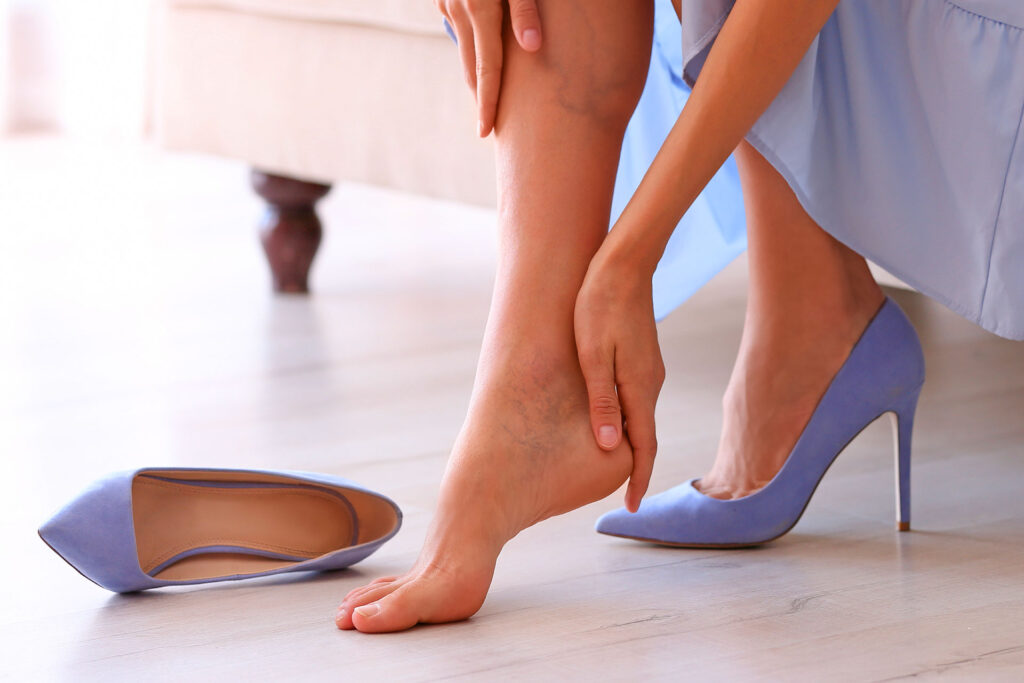
Those bulging, rope-like veins snaking up your calves aren’t just a cosmetic nuisance you can cover up with pants forever. They’re your circulatory system waving a red flag, and ignoring them might cost you more than confidence at the pool party. If you’ve been quietly Googling ways to make them disappear at 2 AM, you’re about to get the straight answers nobody’s given you yet.
How do you remove varicose veins? Varicose veins are removed through minimally invasive procedures like sclerotherapy, endovenous laser ablation, or radiofrequency ablation, which close off the damaged vein so blood reroutes naturally. Most treatments take under an hour, require no general anesthesia, and allow patients to resume normal activity within a day or two.
What Exactly Are Varicose Veins, and Why Won’t They Just Go Away?
Varicose veins form when the tiny one-way valves inside your veins weaken or fail. Instead of pushing blood upward toward the heart, blood pools backward and stretches the vein wall, creating that twisted, swollen appearance you see under the skin.
This isn’t something that heals on its own with rest or willpower. Once a valve is damaged, the vein stays compromised, and the problem typically progresses rather than fades. That’s why so many people try creams, compression socks, and elevation tricks for years without any real change.
Signs Your Veins Are Asking for Help
Varicose veins don’t always scream for attention right away. Sometimes they whisper first, and the symptoms are easy to brush off as “just tired legs.”
- Aching or throbbing pain, especially after standing long hours
- Swelling around the ankles by the end of the day
- A heavy, fatigued sensation in the legs
- Itching or burning near the vein itself
- Skin discoloration or a leathery texture near the ankle
If you’re noticing a combination of these, it’s a sign the vein disease is advancing, not staying static.
The Real Options for Removing Varicose Veins
Modern vein care has moved far past the outdated “vein stripping” surgery your grandmother might remember. Today’s treatments are outpatient, quick, and shockingly comfortable compared to what came before.
Sclerotherapy
A specialized solution is injected directly into the vein, irritating the vein walls until they collapse and get reabsorbed by the body. It’s ideal for smaller varicose veins and spider veins, often needing more than one session for full results.
Endovenous Laser Ablation (EVLA)
A thin laser fiber is threaded into the vein through a tiny incision. Heat from the laser seals the vein shut, and blood automatically reroutes to healthier veins nearby. Most patients walk out the same day and are back to normal routines within 24 to 48 hours.
Radiofrequency Ablation (RFA)
Similar to laser therapy but using radiofrequency energy instead of light, this method also heats and closes the faulty vein. It’s known for minimal bruising and a shorter recovery window.
Ambulatory Phlebectomy
For bulging surface veins, tiny micro-incisions allow a doctor to remove the vein in small segments. It sounds intense, but it’s done under local anesthesia with virtually no downtime.
Why Waiting Isn’t the Safe Option You Think It Is
It’s tempting to treat varicose veins as a purely cosmetic issue, something to deal with “eventually.” But untreated vein disease can quietly escalate into more serious circulatory complications over time.
Pooled, sluggish blood flow increases the risk of clot formation, and the connection between vein disease and clotting is closer than most people realize. If you want a deeper understanding of how this progression happens, this breakdown of varicose veins and blood clots explains exactly what your legs might be trying to tell you before things get worse.
What Recovery Actually Looks Like
One of the biggest myths is that vein removal means weeks stuck on the couch. In reality, most modern procedures are designed around your schedule, not against it.
- Walking is encouraged immediately after treatment to promote circulation
- Compression stockings are worn for a short period, usually one to two weeks
- Strenuous workouts are paused briefly, but daily activities continue as normal
- Bruising or mild tenderness typically fades within a week or two
Compare that to the older stripping method, which often required significant downtime, and it’s easy to see why so many people are finally addressing veins they’ve ignored for years.
Choosing the Right Treatment for You
There’s no single “best” method for every patient. The right approach depends on the size of the vein, how deep it sits, your overall vascular health, and even your personal schedule constraints.
A proper vein evaluation usually involves an ultrasound to map blood flow and identify exactly which veins are malfunctioning. From there, a vein specialist can recommend whether sclerotherapy, laser ablation, or phlebectomy fits your specific case best.
Prevention Tips While You Decide on Treatment
While these strategies won’t reverse existing varicose veins, they can slow progression and ease symptoms while you plan your treatment path.
- Elevate your legs above heart level for 15 minutes daily
- Wear graduated compression stockings during long periods of standing or sitting
- Stay active with walking or swimming to support circulation
- Avoid crossing your legs for extended periods
- Maintain a healthy weight to reduce pressure on leg veins
Frequently Asked Questions
Is removing varicose veins painful?
Most modern procedures use local anesthesia, so discomfort is minimal. Patients often describe a slight pinching or warm sensation rather than significant pain.
How long do results last after treatment?
Treated veins typically don’t return since they’re sealed or removed entirely. However, new varicose veins can develop in different areas over time, especially without lifestyle adjustments.
Will insurance cover varicose vein removal?
Coverage often applies when symptoms like pain, swelling, or skin changes are documented, since this shifts the procedure from cosmetic to medically necessary.
Can varicose veins come back after being removed?
The specific treated vein won’t return, but nearby veins can develop similar issues later, particularly if underlying risk factors like genetics or prolonged standing remain unaddressed.
What happens if varicose veins are left untreated?
Symptoms usually worsen gradually, potentially leading to skin ulcers, chronic swelling, or increased clotting risk as blood flow continues to struggle.
Final Thoughts
Varicose veins aren’t a life sentence, and they definitely aren’t something you need to hide under long pants forever. With modern treatments like sclerotherapy, laser ablation, and radiofrequency techniques, removal is faster, safer, and far less intimidating than it used to be.
The key is not waiting until symptoms worsen or complications sneak in quietly. A simple consultation today could mean lighter, pain-free legs and one less thing keeping you up at 2 AM scrolling for answers.