
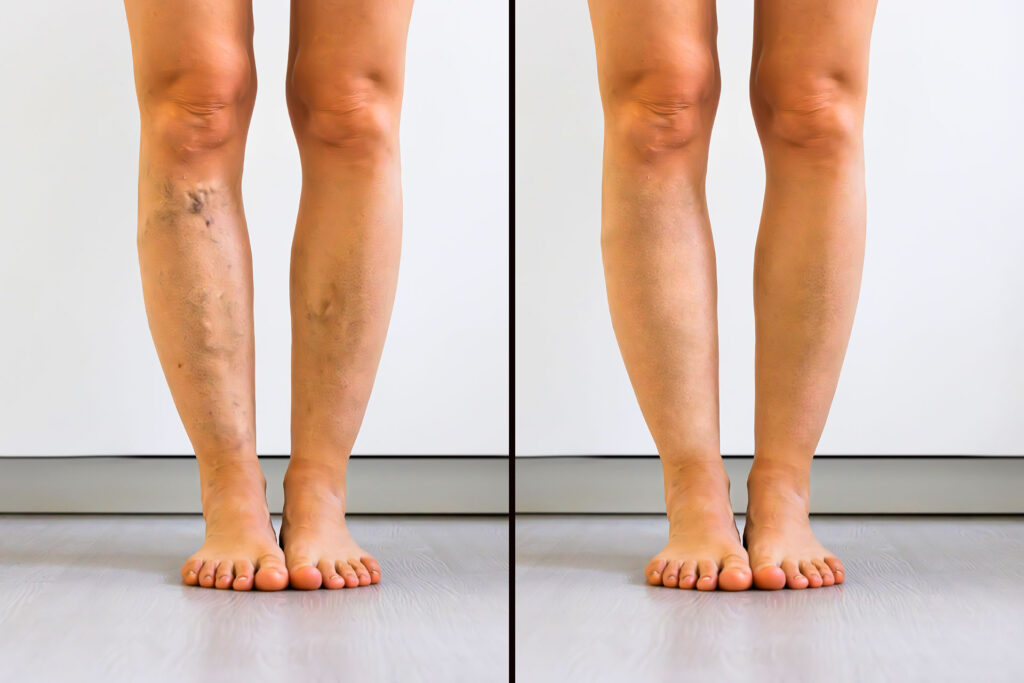
If you’ve ever glanced down at your legs and noticed unsightly blue, purple, or red lines snaking across your skin, you’re not alone. Millions of adults struggle with visible vein issues, but many can’t tell the difference between two of the most common culprits: spider veins vs varicose veins. While they may look similar at first glance, these two vascular conditions have distinct characteristics, causes, and treatment paths that every health-conscious person should understand.
In this comprehensive guide, we’ll break down exactly what sets these conditions apart, explore why they develop, and walk you through the most effective treatment options available today. Whether you’re dealing with cosmetic concerns or experiencing painful symptoms, this article will help you make informed decisions about your vein health.
Spider Veins vs Varicose Veins: The Core Differences
Although both conditions involve damaged or weakened veins, they differ significantly in appearance, severity, and the level of medical concern they warrant. Understanding the distinction is the first step toward choosing the right treatment.
Quick Definition: Spider veins are small, web-like clusters of damaged capillaries near the skin’s surface, while varicose veins are larger, swollen, twisted veins that bulge above the skin and often signal a deeper venous issue.
Appearance
- Spider veins: Thin, flat, red, blue, or purple lines that resemble spider webs or tree branches. Typically 1mm or smaller in diameter.
- Varicose veins: Large, rope-like veins that bulge from the skin’s surface. Usually 3mm or larger and often twisted or knotted in appearance.
Symptoms
- Spider veins: Generally painless and primarily a cosmetic concern. Some people may experience mild burning or itching.
- Varicose veins: Often cause aching, throbbing, heaviness, swelling, muscle cramps, and nighttime leg restlessness. They can also lead to skin changes and ulcers in severe cases.
Underlying Cause
- Spider veins: Result from damaged capillaries or small blood vessels close to the skin surface.
- Varicose veins: Caused by chronic venous insufficiency, where valves inside the veins fail and blood pools backward.
What Causes Spider Veins?
Spider veins, medically known as telangiectasias, develop when tiny blood vessels near the surface of the skin become weakened or damaged. While they’re often considered a cosmetic issue, they can sometimes indicate underlying circulation problems.
Common causes include:
- Genetics: A family history of vein issues significantly increases your risk.
- Hormonal changes: Pregnancy, puberty, menopause, and birth control pills can weaken vein walls.
- Sun exposure: UV rays can damage capillaries, especially on the face.
- Prolonged standing or sitting: Common in occupations like nursing, teaching, and office work.
- Trauma or injury: Even minor bumps can damage delicate surface veins.
What Causes Varicose Veins?
Varicose veins develop when the one-way valves inside your veins stop functioning properly. When these valves fail, blood flows backward and pools in the vein, causing it to enlarge, twist, and bulge over time. This condition, called chronic venous insufficiency, can progress and lead to serious complications if left untreated.
Major risk factors include:
- Age: Vein walls naturally weaken over time, making people over 50 more susceptible.
- Gender: Women are up to three times more likely to develop varicose veins due to hormonal influences.
- Obesity: Excess weight places significant pressure on leg veins.
- Pregnancy: Increased blood volume and pressure on pelvic veins contribute to varicose vein formation.
- Sedentary lifestyle: Lack of movement weakens circulation.
- Prior blood clots or vein damage: Previous medical conditions can compromise valve function.
If you’re noticing changes in your legs and want a deeper understanding of all the factors at play, this resource on the causes and risk factors of visible leg veins offers valuable insights into prevention and early intervention.
When Should You Be Concerned?
While spider veins are usually harmless from a medical standpoint, varicose veins can sometimes signal more serious health issues. It’s time to consult a vein specialist if you experience any of the following:
- Persistent leg pain, aching, or heaviness
- Significant swelling in the ankles or legs
- Skin discoloration or hardening near the veins
- Open sores or ulcers near the ankle
- Bleeding from a vein
- Sudden warmth, redness, or tenderness, which could indicate a blood clot
Important: Never ignore severe leg pain or sudden swelling. These symptoms could indicate deep vein thrombosis (DVT), a potentially life-threatening condition that requires immediate medical attention.
Treatment Options for Spider Veins
Modern dermatology and vascular medicine offer several effective, minimally invasive treatments for spider veins. Most procedures are performed in-office with little to no downtime.
Sclerotherapy
Considered the gold standard for spider vein treatment, sclerotherapy involves injecting a special solution into the affected veins, causing them to collapse and gradually fade away. Most patients see significant improvement after one to three sessions.
Laser Therapy
Surface laser treatments use focused light energy to destroy spider veins without needles. This option is especially effective for smaller veins and those located on the face.
Lifestyle Changes
While these won’t eliminate existing spider veins, they can prevent new ones from forming:
- Wearing sunscreen daily
- Exercising regularly to improve circulation
- Avoiding long periods of standing or sitting
- Wearing compression stockings when needed
Treatment Options for Varicose Veins
Treating varicose veins typically requires more advanced procedures because the underlying valve damage must be addressed. Fortunately, today’s options are far less invasive than traditional vein stripping surgery.
Endovenous Laser Ablation (EVLA)
This minimally invasive procedure uses laser energy delivered through a thin catheter to seal off the damaged vein. Blood naturally reroutes to healthier veins, and the treated vein eventually dissolves.
Radiofrequency Ablation (RFA)
Similar to EVLA, RFA uses radiofrequency energy instead of laser to heat and close off problematic veins. Both procedures boast success rates above 95%.
Foam Sclerotherapy
An advanced version of standard sclerotherapy, this technique uses a foamed solution that’s more effective for treating larger varicose veins.
VenaSeal Closure
A newer treatment that uses medical-grade adhesive to seal the affected vein. It requires no heat, minimal anesthesia, and typically allows patients to return to normal activities immediately.
Ambulatory Phlebectomy
For surface-level varicose veins, a doctor can remove them through tiny incisions, usually under local anesthesia.
Prevention Tips That Work for Both Conditions
Whether you’re trying to avoid spider veins, varicose veins, or both, these proactive strategies can help maintain healthy circulation and reduce your risk:
Daily Habits
- Walk at least 30 minutes daily
- Elevate your legs when resting
- Stay hydrated
- Maintain a healthy weight
Long-Term Strategies
- Eat a fiber-rich, low-sodium diet
- Avoid tight clothing around the waist
- Skip high heels for everyday wear
- Take movement breaks every 30 minutes
Choosing the Right Specialist
When seeking treatment, it’s essential to consult with a board-certified vein specialist (phlebologist) or vascular surgeon. During your consultation, expect a thorough evaluation that may include an ultrasound to assess blood flow and valve function. This diagnostic step is crucial because what appears to be a simple cosmetic issue on the surface could be tied to deeper venous problems.
Don’t hesitate to ask about your provider’s experience, the technologies they use, and what realistic outcomes you can expect from each treatment option.
Final Thoughts
Understanding the difference between spider veins vs varicose veins empowers you to take charge of your vascular health. While spider veins are typically a cosmetic concern that can be easily treated with sclerotherapy or laser therapy, varicose veins often require more comprehensive intervention because they signal underlying valve dysfunction. Both conditions are highly treatable with today’s minimally invasive technologies, and early action can prevent progression and complications.
If you’re noticing visible veins on your legs, don’t dismiss them as merely a cosmetic issue. Schedule a consultation with a qualified vein specialist to get a proper diagnosis and explore the treatment options best suited to your needs. Healthy, beautiful legs aren’t just about appearance—they’re about restoring confidence, comfort, and long-term circulatory wellness.