
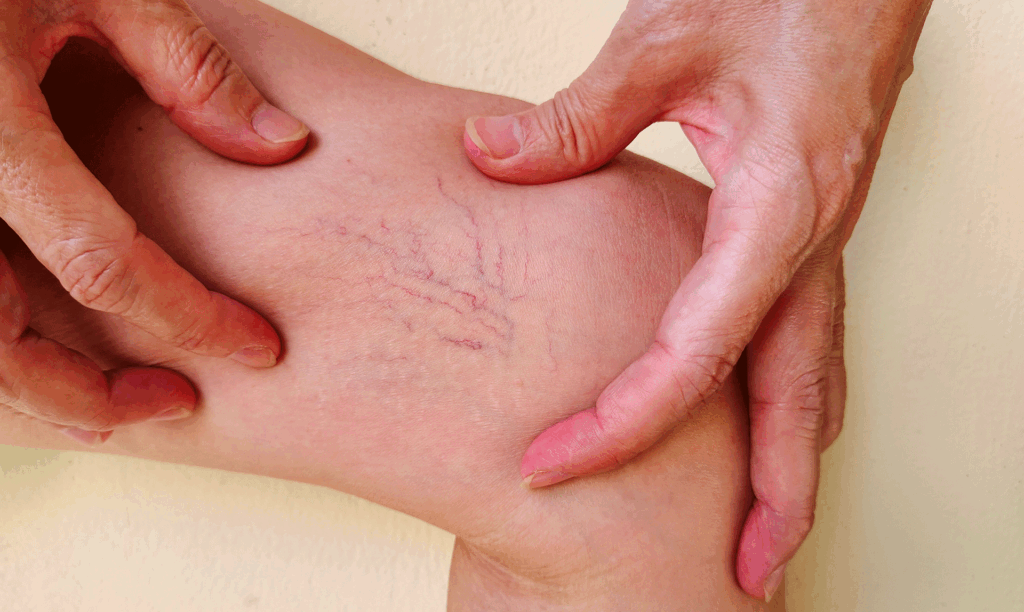
Those thin red and blue lines creeping across your thighs or ankles didn’t just show up overnight for no reason. Spider veins are sneaky, and once you spot the first one, more tend to follow if you don’t adjust your habits. The good news? Prevention is absolutely within your control, and it starts with understanding what’s actually happening beneath your skin.
How Do I Prevent Spider Veins?
To prevent spider veins, stay active, avoid prolonged sitting or standing, elevate your legs daily, maintain a healthy weight, wear compression stockings, and limit high heels and tight clothing. Protecting circulation and reducing pressure on leg veins are the keys to keeping new spider veins from forming.
Spider veins form when tiny blood vessels weaken and dilate, often due to poor circulation, hormonal shifts, or prolonged pressure on the legs. While genetics play a role you can’t control, many daily habits are entirely within your power to change.
Why Spider Veins Develop in the First Place
Spider veins are small, dilated blood vessels that appear near the skin’s surface, usually in red, blue, or purple web-like patterns. They form when the tiny valves inside veins weaken, causing blood to pool instead of flowing smoothly back to the heart.
Several factors speed up this process:
- Prolonged sitting or standing that restricts healthy blood flow
- Hormonal changes from pregnancy, birth control, or menopause
- Family history of vein issues
- Excess body weight putting pressure on leg veins
- Sun exposure, especially on the face
Daily Habits That Actually Prevent Spider Veins
1. Keep Your Legs Moving
Sitting or standing in one position for hours slows circulation and increases pressure in your leg veins. If your job keeps you desk-bound, take a short walk every 30 to 45 minutes. Simple ankle rolls and calf raises also help pump blood back toward the heart.
2. Elevate Your Legs Regularly
Propping your legs above heart level for 15 to 20 minutes a day reduces pooling and relieves pressure on vein walls. This small habit is especially helpful after long days of standing or travel.
3. Wear Compression Stockings
Compression garments gently squeeze your legs, helping veins and muscles move blood more efficiently. They’re a simple, non-invasive way to support circulation, particularly for people who stand for long shifts or sit during long commutes.
4. Stay Active With Low-Impact Exercise
Walking, swimming, and cycling strengthen the calf muscles that act as a “second heart,” pushing blood upward through your veins. Regular movement also helps manage weight, reducing added pressure on your lower body.
5. Watch Your Footwear and Clothing
High heels limit calf muscle movement, which can hinder circulation over time. Tight waistbands or leggings can also restrict blood flow in the thighs and pelvis. Choosing supportive, breathable options can make a real difference.
6. Maintain a Healthy Weight
Extra body weight increases pressure on the veins in your legs, making valves work harder than they should. A balanced diet and consistent movement support both vein health and overall wellness.
7. Protect Your Skin From Sun Damage
UV exposure breaks down collagen and weakens vessel walls, which is a major contributor to spider veins on the face and nose. Daily sunscreen is a simple defensive habit that pays off long term.
When Prevention Isn’t Enough
Even with the best habits, some people are simply more genetically prone to developing spider veins. If you’ve noticed increased swelling, aching, heaviness, or visible veins multiplying despite your efforts, it may be worth paying closer attention to your vascular health. Sometimes these symptoms point to something deeper than a cosmetic concern, and understanding what your legs may be trying to tell you about vein disease can help you catch issues early before they progress.
Catching circulation problems early often makes treatment simpler and less invasive, so don’t ignore persistent symptoms just because they seem minor.
Lifestyle Checklist for Healthier Veins
- ✅ Move every 30-45 minutes if sitting or standing for long periods
- ✅ Elevate legs for 15-20 minutes daily
- ✅ Wear compression stockings during long shifts or travel
- ✅ Exercise regularly with walking, swimming, or cycling
- ✅ Avoid tight clothing and limit high heel use
- ✅ Maintain a healthy, stable body weight
- ✅ Apply sunscreen daily to protect facial skin
Frequently Asked Questions
Can spider veins be fully prevented?
Not entirely, especially if genetics are involved, but healthy circulation habits significantly reduce your risk and slow new vein formation.
Does exercise really help prevent spider veins?
Yes. Movement activates calf muscles that push blood upward, reducing pooling and pressure inside the veins.
Are compression stockings necessary every day?
Not for everyone, but they’re especially helpful if you sit or stand for extended periods, travel frequently, or are pregnant.
Can diet affect spider vein development?
A diet high in sodium can increase fluid retention and swelling, which places added stress on vein walls over time.
At what age do spider veins typically appear?
They can appear at any age but become more common after 30, especially with hormonal changes or prolonged standing occupations.
Final Thoughts
Preventing spider veins comes down to consistency: moving often, supporting circulation, protecting your skin, and listening to what your body is telling you. While you can’t change your genetics, small daily choices add up to real protection for your veins over time. If new symptoms appear or existing veins seem to be getting worse, it’s always worth taking a closer look rather than waiting for things to escalate.