
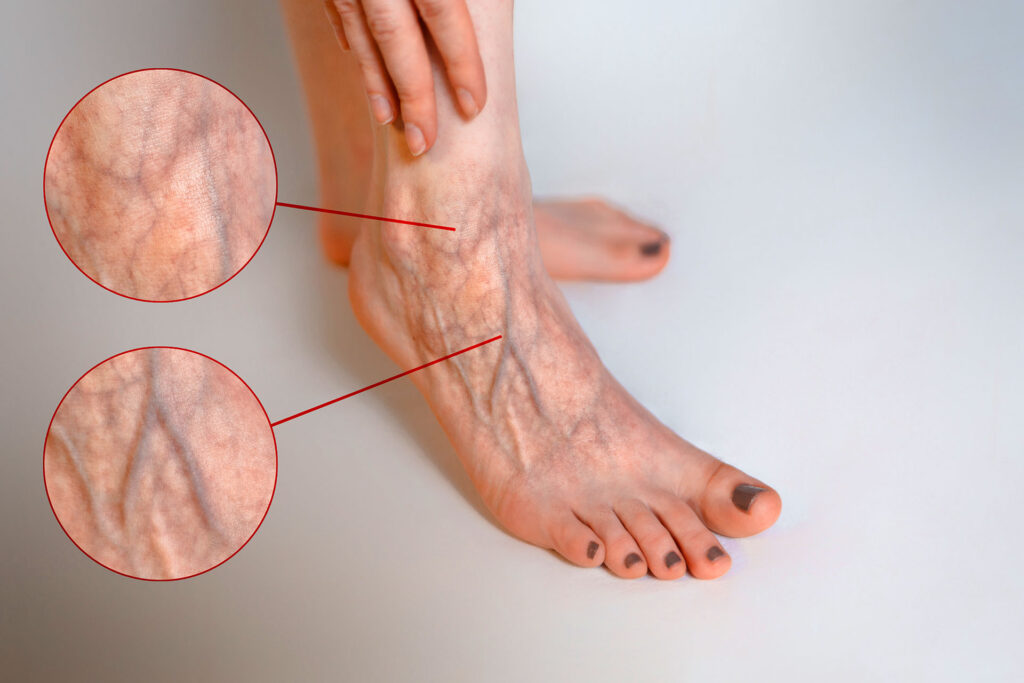
Have you ever glanced down at your wrists, arms, or legs and wondered why those blue rivers seem to map your skin so vividly? You are not alone. Plenty of people stare at their forearms and ask the same thing: why are my veins so blue? The answer involves a mix of biology, light, and skin tone, and the truth is more fascinating than you might expect.
Your veins look blue mostly because of how light interacts with your skin. Skin absorbs red wavelengths and scatters blue light back to your eyes. The vein itself carries dark, oxygen-poor blood, but the bluish tint you see is largely an optical illusion created by your skin’s thickness and tone.
The Science Behind Why Your Veins Look Blue
Here is the surprising part: your blood is never actually blue. Not even close. Deoxygenated blood traveling back to your heart is a deep, dark red, almost maroon. The blue appearance is a trick of physics, not pigment.
Light has to pass through layers of skin before it reflects back to your eyes. Along the way, your skin absorbs and scatters different colors at different depths. Red light gets absorbed, while blue light bounces back more easily, making the veins underneath appear cool and blue.
How Light and Skin Work Together
Think of it like looking at a pebble at the bottom of a clear stream. The water changes how you perceive its color. Your skin does something similar with the veins beneath it.
- Wavelength scattering: Blue light scatters more in skin tissue than red light.
- Vein depth: Veins sitting closer to the surface tend to look more vivid.
- Blood color: The darker oxygen-poor blood enhances the illusion.
Factors That Make Some Veins More Visible
Not everyone has the same vein visibility. Some people barely notice theirs, while others can trace every branch. A few key factors explain the difference.
1. Skin Tone and Thickness
Fair or thin skin lets more light through, so veins pop more dramatically. People with deeper skin tones often see less of that blue tint because more pigment absorbs the scattered light.
2. Body Fat Levels
Less subcutaneous fat means veins sit closer to the surface. This is why very lean or athletic people frequently notice prominent, blue-tinted veins on their arms and hands.
3. Age
As we get older, skin naturally thins and loses collagen. That makes underlying veins easier to spot, especially on the backs of the hands.
4. Temperature and Activity
Heat and exercise cause veins to dilate and rise toward the skin. After a workout, that blue webbing can look strikingly bold, then fade once you cool down.
Totally Normal
Visible veins on hands, wrists, and forearms are usually just thin skin and low body fat. No cause for worry.
Worth a Check
Bulging, twisted, or painful veins, especially in the legs, may signal an underlying issue.
When Blue Veins Might Mean Something More
Most of the time, blue veins are completely harmless and simply part of how your body is built. But there are moments when prominent veins point to something worth paying attention to, particularly in the legs.
When veins become enlarged, rope-like, or start to ache, swell, or throb, they may be more than cosmetic. Understanding the difference between normal visibility and warning signs of varicose vein symptoms can help you decide whether a quick conversation with a specialist makes sense.
Signs to Keep an Eye On
- Veins that bulge or twist visibly above the skin
- Aching, heaviness, or cramping in the legs
- Swelling around the ankles
- Itching or skin changes near a vein
- Sudden warmth, redness, or tenderness
If you notice these along with your blue veins, it is smart to get them evaluated rather than ignore them.
Can You Make Blue Veins Less Noticeable?
If the look bothers you, a few lifestyle tweaks can soften their appearance, though you cannot change your underlying anatomy.
- Stay hydrated: Good circulation supports healthier-looking skin.
- Maintain steady body composition: Drastic leanness can exaggerate vein visibility.
- Protect your skin: Sun damage thins skin over time, making veins stand out more.
- Move regularly: Healthy blood flow keeps veins functioning well.
Frequently Asked Questions
Are blue veins a sign of poor health?
Usually not. Blue veins on the arms and hands are typically just thin or fair skin showing the veins beneath. Health concerns are more likely when veins in the legs bulge, ache, or swell.
Why do my veins look bluer in some lighting?
Lighting changes how blue light scatters through your skin. Cool or indoor lighting can make veins appear more pronounced, while warm sunlight may soften the effect.
Is blood actually blue inside my body?
No. Blood is always red. Oxygen-rich blood is bright red, and oxygen-poor blood is dark red. The blue you see is purely an optical effect from light and skin.
Why are the veins on my hands so prominent?
Hands have thin skin and very little fat, so veins sit close to the surface. Age, heat, and activity can make them look even more noticeable.
Should I see a doctor about visible veins?
If your veins are simply visible and painless, there is usually no need. But if you experience swelling, pain, bulging, or skin changes, a vein specialist can give you peace of mind.
The Bottom Line
So, why are your veins so blue? It comes down to a clever interplay of light, skin tone, skin thickness, and the dark red blood flowing back to your heart. In most cases, those blue lines are simply a normal, harmless feature of your unique anatomy.
The key is knowing when visibility is just cosmetic and when it might point to something more, especially in your legs. Listen to your body, watch for warning signs like pain or swelling, and you can appreciate those blue veins for the fascinating bit of human biology they really are.