
Veins in legs problems affect a staggering number of adults, yet most people wait years before asking a doctor about it. They chalk it up to aging, standing too long at work, or just “bad genes.” But understanding what’s actually happening beneath your skin is the first step toward feeling better in legs that finally stop screaming for attention.
What Causes Veins Problems in Legs?
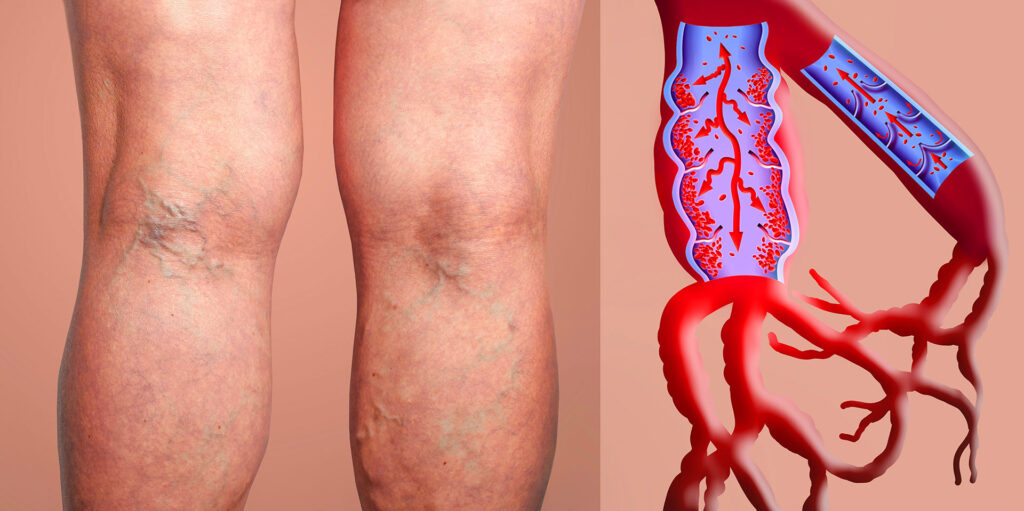
Vein problems in legs are usually caused by weakened or damaged valves inside the veins. When these valves fail, blood pools instead of flowing back to the heart, leading to increased pressure, swelling, bulging veins, and discomfort. This condition, known as venous insufficiency, worsens with age, prolonged standing, obesity, and genetics.
Understanding the Root of the Problem
Your veins work against gravity every single day. Tiny one-way valves inside them are supposed to snap shut after each heartbeat, keeping blood moving upward. When those valves weaken or become damaged, blood slips backward and collects in the lower legs.
Over time, this pooling stretches the vein walls, causing them to bulge, twist, and become visible beneath the skin. It’s not just cosmetic. Many people experience real, persistent discomfort long before the visible signs appear, which is exactly why so many sufferers feel dismissed when they first raise concerns.
If you’ve ever wondered why the ache seems to intensify at night or after a long day, the explanation goes deeper than simple fatigue. There’s a detailed breakdown of vein pain that many people overlook, and it’s worth understanding before assuming your symptoms are “normal.”
Common Signs Your Veins Are Struggling
Vein issues rarely show up as a single symptom. Instead, they build gradually, often mistaken for general tiredness or muscle strain. Recognizing the pattern early can help you take action before things escalate.
- Heaviness or fatigue in the legs, especially by late afternoon
- Visible bulging or twisted veins, often blue or purple
- Swelling around the ankles or lower legs
- Throbbing, cramping, or burning sensations
- Itching or skin discoloration near affected veins
- Restless legs at night that disrupt sleep
These symptoms tend to worsen with prolonged sitting or standing and often improve, at least temporarily, when the legs are elevated.
Who Is Most at Risk?
Vein problems don’t discriminate, but certain factors dramatically increase the odds of developing them. Understanding your personal risk profile can help you decide whether it’s time to get evaluated.
- Family history of varicose or spider veins
- Jobs requiring long hours of standing or sitting
- Pregnancy and hormonal changes
- Excess body weight placing pressure on lower limb veins
- Aging, which naturally weakens vein elasticity
- Prior blood clots or leg injuries
Women are statistically more likely to experience vein issues than men, largely due to hormonal fluctuations from pregnancy, menstruation, and menopause.
Why Ignoring the Signs Can Backfire
It’s tempting to brush off achy legs as a minor inconvenience. But untreated venous insufficiency tends to progress, not disappear. Left alone, it can lead to skin changes, chronic swelling, and in more serious cases, venous ulcers that are difficult to heal.
The good news is that early intervention often means simpler, less invasive solutions. Waiting rarely makes the problem easier to manage.
Simple Habits That Support Healthier Veins
While lifestyle changes alone can’t reverse damaged valves, they can significantly ease symptoms and slow progression. Small, consistent habits make a real difference over time.
- Elevate your legs above heart level for 15 minutes daily
- Avoid sitting or standing in one position for hours
- Stay active with walking or leg-focused movement
- Maintain a healthy weight to reduce vein pressure
- Wear compression garments if recommended
- Stay hydrated to support healthy circulation
These steps won’t fix underlying valve damage, but they can meaningfully reduce daily discomfort and swelling.
When It’s Time to See a Specialist
Not every vein concern requires immediate treatment, but certain warning signs shouldn’t be ignored. If you notice rapid swelling, skin ulcers, persistent pain, or veins that suddenly darken or harden, it’s time to consult a vascular specialist.
A proper evaluation, often involving a simple ultrasound, can determine exactly how your veins are functioning and what treatment path makes sense for your specific situation.
Frequently Asked Questions
Are vein problems in legs dangerous?
Most cases are not immediately dangerous, but untreated venous insufficiency can lead to complications like skin ulcers or blood clots over time.
Can vein problems go away on their own?
No. Damaged valves don’t repair themselves, though symptoms can be managed with lifestyle changes and, in some cases, medical treatment.
Is leg heaviness always related to veins?
Not always, but persistent heaviness paired with swelling or visible veins strongly points toward venous insufficiency.
Does exercise help or worsen vein problems?
Movement, especially walking, typically helps by promoting circulation. High-impact activities may aggravate symptoms in some individuals.
At what age do vein problems typically start?
They can appear at any age but become more common after 30, with risk increasing steadily with age.
Final Thoughts
Veins in legs problems are far more common, and far more manageable, than most people realize. Recognizing the early signs, understanding your personal risk factors, and adopting supportive daily habits can make a meaningful difference in how your legs feel and function. If symptoms persist or worsen, don’t wait for things to escalate. A proper evaluation can offer clarity, relief, and a clear path forward.