
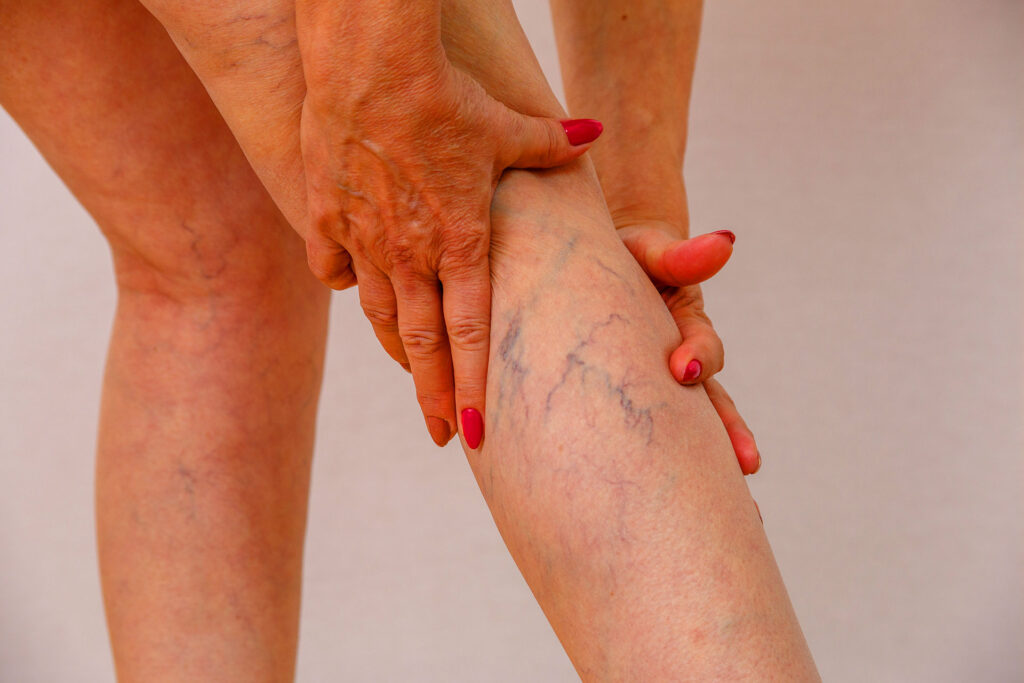
Your feet carry you through thousands of steps every single day, so when strange, twisted, discolored veins start showing up on top of them, it’s normal to feel a little alarmed. Are they dangerous? Are they just cosmetic? Should you be worried every time you slip off your shoes at the beach?
What are varicose veins in feet? Varicose veins in feet are swollen, twisted veins that appear blue or purple due to faulty valves that let blood pool instead of flowing back to the heart. They often cause aching, heaviness, and visible bulging on the top or sides of the foot, and worsen with prolonged standing.
Why Do Varicose Veins Show Up on the Feet in the First Place?
Your feet sit at the very bottom of your circulatory system, which means blood has to fight gravity the entire way back up to your heart. Tiny one-way valves inside your veins are supposed to keep blood moving upward. When those valves weaken or get damaged, blood slips backward and pools, stretching the vein walls.
Over time, that pooling creates the ropey, bulging appearance most people associate with varicose veins. It’s essentially a plumbing problem, not just a skin-deep issue.
Common Triggers That Make Things Worse
- Standing or sitting for long stretches without moving
- Pregnancy, which increases blood volume and pressure on leg veins
- Genetics, if your parents had them, you’re more likely to as well
- Obesity, adding extra pressure on lower body veins
- Aging, as vein walls naturally lose elasticity over time
Signs and Symptoms You Shouldn’t Ignore
Varicose veins in the feet don’t always announce themselves loudly at first. Sometimes it starts as a subtle ache after a long day, easy to brush off as regular tiredness.
But as the condition progresses, symptoms tend to become impossible to ignore:
- Visible blue, purple, or dark bulging veins on top of or along the sides of the foot
- Swelling around the ankles or foot area, especially by evening
- A heavy, tired, or achy sensation after standing
- Itching or burning skin near the affected vein
- Skin discoloration or thinning over time
If left unmanaged, some cases can progress to skin ulcers or blood clots, so catching symptoms early really does matter.
Are Varicose Veins in Feet Dangerous?
Most of the time, varicose veins are more of an uncomfortable nuisance than a medical emergency. That said, they shouldn’t be dismissed entirely. Chronic venous insufficiency, the underlying cause of most varicose veins, can lead to skin changes, ulcers, or in rare cases, blood clots if it progresses untreated.
The good news is that with early attention and consistent habits, most people manage symptoms effectively without ever needing invasive treatment.
Treatment Options Worth Knowing About
Treatment isn’t one-size-fits-all. It depends on severity, symptoms, and how much they’re affecting your daily comfort.
At-Home and Lifestyle Approaches
- Wearing compression socks to support circulation
- Elevating feet above heart level for 15 to 20 minutes daily
- Staying active with walking or swimming to boost blood flow
- Maintaining a healthy weight to ease pressure on veins
- Avoiding tight footwear that restricts circulation
Medical Treatments for More Advanced Cases
- Sclerotherapy: a solution injected to collapse the vein
- Laser therapy: targets veins with focused light energy
- Radiofrequency ablation: uses heat to close off problem veins
- Vein stripping surgery: reserved for severe, advanced cases
Prevention is always easier than treatment, and small daily changes really do add up. If you want a deeper dive into practical, doable strategies, this guide on how to avoid spider veins breaks down simple habits that support healthier circulation long term.
When Should You See a Doctor?
Not every varicose vein needs medical intervention, but certain warning signs mean it’s time to book an appointment rather than wait it out.
- Sudden swelling, redness, or warmth in the foot
- Open sores or ulcers near the ankle
- Persistent pain that disrupts daily activities
- Bleeding from a varicose vein
- Rapid changes in vein size or color
A vein specialist can determine whether you’re dealing with a cosmetic concern or something requiring closer monitoring.
FAQ Section
1. Can varicose veins in feet go away on their own?
No, they typically don’t disappear without treatment or lifestyle changes, though symptoms can be managed effectively.
2. Is walking good or bad for varicose veins in feet?
Walking is actually beneficial. It activates calf muscles that help push blood back toward the heart.
3. Do varicose veins in feet hurt more than in the legs?
They can, since the feet have less muscle support to assist circulation, sometimes making discomfort more noticeable.
4. Can compression socks really help?
Yes, compression socks apply gentle pressure that supports vein walls and helps reduce swelling and pooling.
5. Are varicose veins in feet more common in women?
Women tend to experience them more often, largely due to hormonal factors and pregnancy-related changes.
Final Thoughts
Varicose veins in feet might seem like a small cosmetic issue at first glance, but they’re really a sign of how well your circulation is working behind the scenes. Paying attention to early symptoms, adjusting daily habits, and knowing when to seek professional care can make a significant difference in comfort and long-term vein health. Your feet do a lot of heavy lifting, quite literally, so giving them a little extra attention is always worth it.